English
 中文
中文 Русский
Article Overview: This guide provides a structured comparison framework for evaluating Waterproof Junction Boxes Electrical. We examine material choices (PC vs. ABS), ingress protection ratings, design features, and procurement criteria to help technical decision-makers select the optimal enclosure for their specific operating environment. The analysis is grounded in evidence from industry standards and manufacturer specifications.
What Material Should You Choose for Waterproof Junction Boxes Electrical?
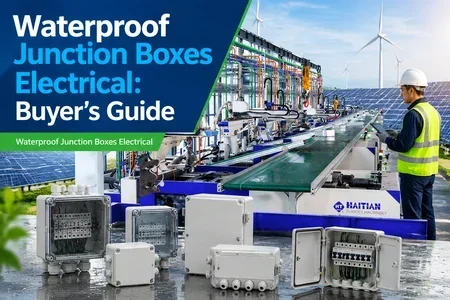
The shell of a waterproof junction box is typically molded from either polycarbonate (PC) or ABS plastic. Both offer fire resistance, insulation, and corrosion resistance, but differ in key performance areas. Below is a concise comparison table.
| Parameter | Polycarbonate (PC) | ABS Plastic |
|---|---|---|
| Impact Strength | High – excellent for harsh environments | Moderate – suitable for indoor use |
| UV Resistance | Excellent – withstands prolonged sun exposure | Poor – degrades under direct sunlight |
| Temperature Range | -40°C to 120°C | -20°C to 80°C |
| Chemical Resistance | Good – but susceptible to some solvents | Good – resists common industrial chemicals |
| Cost | Higher | Lower |
| Typical Application | Outdoor, high-UV, or high-temperature | Indoor, sheltered, or low-UV outdoor |
If your installation is directly exposed to sunlight year-round, prioritize PC-based Waterproof Junction Boxes Electrical for outdoor use. For indoor or shaded areas, ABS can deliver reliable performance at a lower cost.
Material Decision: PC vs. ABS
Option A: Polycarbonate (PC)
The shell is crafted from new environmentally friendly PC material, ensuring durability and sustainability. PC offers superior impact strength, high-temperature resistance, and excellent UV stability. It is well-suited for outdoor applications where sunlight exposure is significant. PC also maintains its integrity over a wide temperature range (-40°C to 120°C). However, PC is generally more expensive than ABS and can be susceptible to chemical attack from certain solvents and oils.
Option B: ABS Plastic
ABS provides good mechanical strength, corrosion resistance, and is cost-effective for indoor or sheltered environments. It exhibits inherent fire resistance and insulation properties. However, ABS has lower UV resistance; prolonged sun exposure can cause fading, embrittlement, and reduced impact strength. It is better suited for indoor, covered, or low-UV outdoor scenarios.
Buyer note: For most outdoor installations, PC is the recommended choice. Evaluate your specific climate and chemical exposure levels before specifying the material.
How Do IP Ratings Affect Waterproof Junction Boxes Electrical Performance?
Ingress Protection ratings are standardized by IEC 60529. For Waterproof Junction Boxes Electrical, the two most relevant ratings are IP65 and IP66. Understanding the test conditions helps match the rating to the risk of water ingress.
Step 1: Determine water exposure level
Identify whether the enclosure will face rain, hose-down cleaning, or submersion. IP65 protects against low-pressure water jets from any direction; IP66 protects against powerful jets (e.g., from heavy rain or industrial cleaning equipment).
Step 2: Verify solid particle protection
Both IP65 and IP66 require full protection against dust ingress (first digit 6). Ensure the gasket design and sealing mechanism are compatible with the chosen material to maintain this barrier over time.
Step 3: Check temperature and chemical compatibility
IP ratings do not account for temperature or chemical tolerance. A junction box rated IP66 may still fail if the gasket degrades due to UV or chemical exposure. Pair the rating with appropriate material selection (e.g., PC for UV resistance).
Use the flow above to narrow down the required IP grade. For most outdoor electrical connections, an IP66 rating offers a strong safety margin. However, always validate the rating against the manufacturer's test certificate.
Comparing Design Features: Hinged vs. Clamshell
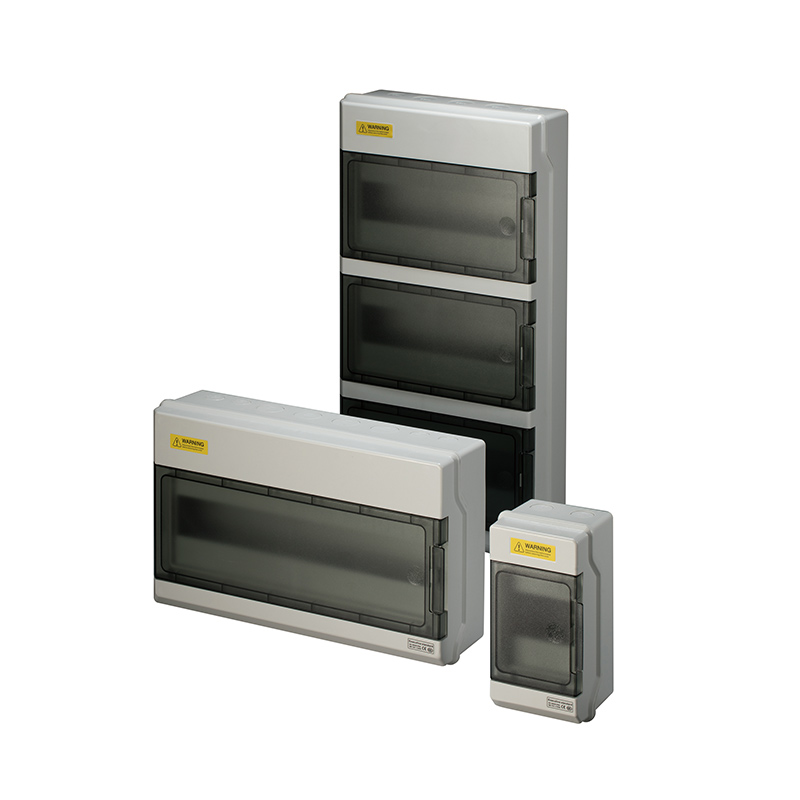
The mechanical design of a Waterproof Junction Boxes Electrical affects installation speed, maintenance access, and long-term sealing reliability. Below are two common design types compared.
Design Comparison: Hinged vs. Clamshell
Option A: Hinged Lid with Stainless Steel Lock
Hinged designs feature a stainless steel hinge lock that offers corrosion resistance and durability. The lid stays attached, reducing the risk of misplacement during inspections. These boxes are ideal for applications requiring regular access, such as periodic wiring checks.
Option B: Clamshell Design
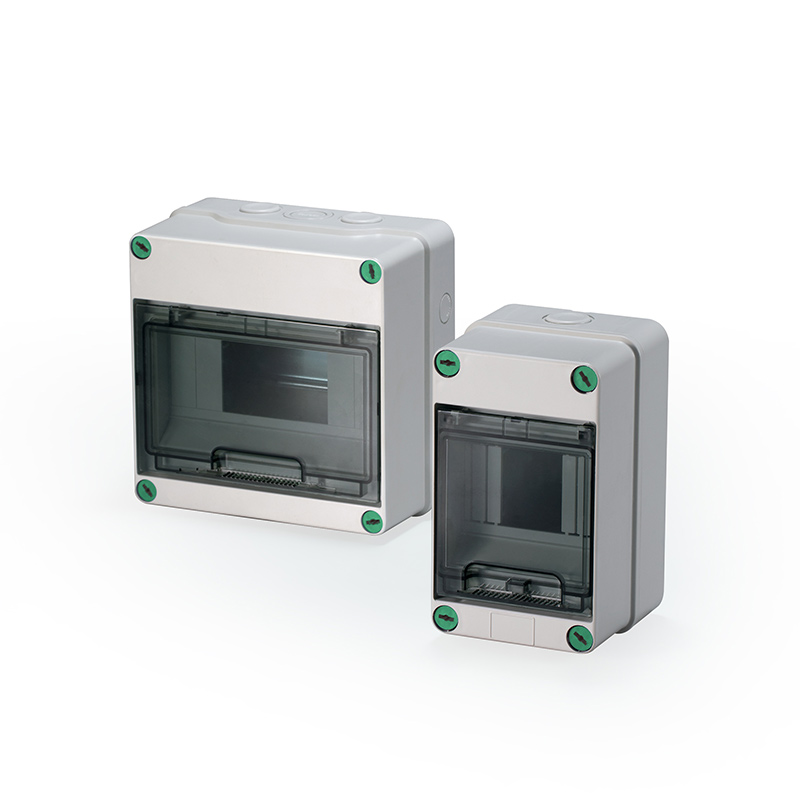
Clamshell enclosures open without the need for screws. They allow quick access to internal wiring by simply lifting the lid. This design is convenient for installations where frequent maintenance is not expected, but access must be tool-free.
Buyer note: If your team needs to open the box multiple times per month, a hinged design reduces the chance of gasket wear from repeated lid removal. For one-time or rare access, a clamshell or screw-cover box may be more economical. Always ensure the gasket compression mechanism remains effective after repeated closures.
Additionally, some boxes offer transparent covers for visual inspection without opening. This can be a useful feature for visible indicator lights or fuse status. Consider the trade-off between mechanical simplicity and the need for quick status checks.
What Factors Should You Consider in Installation and Procurement?
When finalizing your selection, use the following checklist to minimize risk:
- Confirm the enclosure's IP rating is tested and certified (ask for test reports).
- Match the material (PC or ABS) to the site's UV index and chemical exposure.
- Verify that the box includes adequate internal space for cable bending radius and terminal blocks.
- Check compatibility with required accessories (cable glands, mounting brackets, din rails).
- Request a sample or small batch for on-site testing before bulk procurement.
- Review warranty terms and manufacturer support, especially for custom configurations.
These steps help ensure that the Waterproof Junction Boxes Electrical you specify will perform reliably throughout its service life. For a comprehensive product range, explore the product line for enclosures to see available variants.
FAQ
What is the typical lifespan of a waterproof junction box?
Lifespan depends on material and environment. PC enclosures can last 15–20 years in outdoor UV exposure; ABS may degrade after 5–10 years if exposed to direct sunlight. Regular maintenance (cleaning, gasket inspection) extends service life.
Can I use an ABS junction box outdoors?
Yes, but only in shaded or sheltered locations. For direct sun exposure, polycarbonate (PC) is strongly recommended due to its UV resistance.
What is the difference between IP65 and IP66?
IP65 protects against low-pressure water jets, while IP66 protects against powerful water jets. For areas with heavy rain or hose-down cleaning, choose IP66.
Are waterproof junction boxes suitable for underground installations?
Only if specifically rated for burial (e.g., IP68). Standard IP66 boxes are designed for above-ground outdoor use. Do not bury them without manufacturer approval.
How do I ensure a proper seal after installing cables?
Use cable glands with the correct IP rating and torque them to the recommended specifications. Avoid over-tightening, which can deform the gasket.
Conclusion
Selecting the right Waterproof Junction Boxes Electrical involves evaluating material durability, ingress protection, design ergonomics, and long-term environmental exposure. PC-based enclosures offer superior UV and impact resistance for harsh outdoor settings, while ABS remains a cost-effective choice for protected environments. The IP rating should match the water exposure risk, and design features should align with maintenance frequency. By following the decision framework outlined here, procurement teams and technical architects can make informed investments that reduce field failures and total cost of ownership. Always verify specifications with the manufacturer and test a sample under actual site conditions before committing to large-scale deployment.
Related site pages: Waterproof Junction Boxes Electrical, Home.