English
 中文
中文 Русский
Article Overview: This article explains the engineering and manufacturing principles that underlie durable waterproof outdoor electrical junction boxes. It covers IP66 certification, material selection, sealing design, injection molding precision, and the role of systematic quality control in ensuring long-term performance against moisture, dust, and UV degradation. The content is designed for technical decision-makers evaluating product life and supplier capabilities.
Why Is IP66 Certification Critical for Outdoor Junction Boxes?
IP66 is an international ingress protection rating defined by IEC 60529. For a waterproof outdoor electrical junction box, IP66 certifies that the enclosure is completely dust-tight (first digit '6') and protected against powerful water jets or heavy seas (second digit '6'). This standard ensures that electrical connections remain safe under direct rain, hose-down cleaning, or coastal spray. Without a verified IP66 rating, moisture intrusion can lead to corrosion, short circuits, and premature failure. Buyers should always request test reports from accredited laboratories.
Key testing parameters for IP66 include:
- Dust chamber exposure for 8 hours without particle ingress
- Water jet spray from a 12.5 mm nozzle at 100 kPa for 3 minutes per square meter
- No harmful accumulation of water inside after testing
How Does Material Selection Affect Weathering and Durability?
The choice of thermoplastic plays a direct role in service life. Common materials include polycarbonate (PC), ABS, and halogen-free thermoplastics. For outdoor applications, UV-resistant grades are essential to prevent yellowing and embrittlement over years of sunlight exposure. Manufacturers often add stabilizers or use co-extruded UV-protective layers. The injection molding process must maintain consistent wall thickness and void-free structure to preserve these properties across production batches.
Material Comparison for Outdoor Junction Boxes
Option A: Polycarbonate (PC) – High impact strength, wide temperature range (-40°C to +120°C), good UV resistance with additives. Commonly used for transparent covers and harsh-environment enclosures.
Option B: ABS – Lower cost, good rigidity, but limited UV resistance. Suitable for indoor or shaded outdoor applications where UV exposure is minimal.
Buyer note: For long-term outdoor reliability, PC with UV stabilization is the preferred choice despite higher material cost. Always verify UV test data (e.g., ASTM D2565) from the manufacturer.
How Does Quality Control Ensure Consistent Performance?
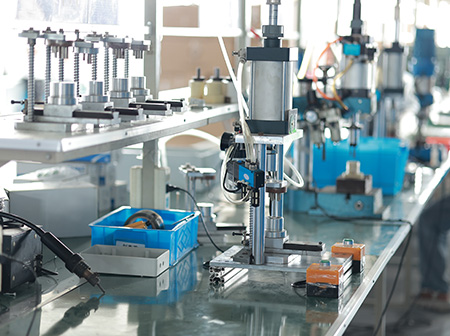
Consistency in manufacturing a waterproof outdoor electrical junction box depends on systematic quality control across every stage: from incoming raw material inspection to final product testing. A reputable manufacturer operates with a dedicated laboratory and multiple inspection devices. Quality Control procedures include dimensional checks, seal compression tests, and IP66 chamber verification on a sample basis. In-process control during injection molding monitors temperature, pressure, and cycle time to prevent defects such as flash, sink marks, or warpage that could compromise sealing.
Step 1: Incoming Material Inspection
Every batch of plastic resin is tested for melt flow index, moisture content, and mechanical properties. Rejected material is quarantined to prevent production issues.
Step 2: Injection Molding Parameter Monitoring
Real-time sensors record temperature, pressure, and injection speed. If parameters drift outside tolerance, the machine automatically halts production. This reduces variability in wall thickness and seal integrity.
After molding, each waterproof outdoor electrical junction box undergoes visual inspection for surface defects, dimensional checks of the sealing groove, and hinge alignment. Random samples are subjected to IP66 water and dust testing. Only lots that pass all criteria are released for shipment. This approach aligns with a rigorous Quality Control solution that meets international standards.
What Are the Key Manufacturing Processes Behind Reliable Sealing?
Reliable sealing in a waterproof outdoor electrical junction box depends on precision molding of the gasket channel and consistent assembly. Most designs use a one-piece silicone or EPDM gasket that fits into a molded groove. The groove depth and width must be held to tight tolerances (±0.1 mm) to ensure uniform compression when the lid is closed. Injection molding tooling uses hardened steel cavities to maintain these dimensions. After molding, the box is assembled with stainless steel hinges and latches. The final assembly is torque-tested to confirm closure force.
- Gasket channel tolerance: ±0.1 mm
- Material: Silicone or EPDM (UV-resistant)
- Closure hardware: Stainless steel with corrosion resistance
- Assembly test: 100% torque check on hinge screws
How Does the Production Environment Influence Product Quality?
The production environment affects consistency. Temperature and humidity control in the molding area prevents moisture absorption in hygroscopic plastics like PC. A clean assembly area reduces the risk of foreign particles interfering with the seal. Leading facilities invest in dedicated laboratory space for routine testing. A large factory footprint with many injection molding machines demonstrates capacity for scalable quality. B2B buyers may request a virtual audit to evaluate cleanliness, equipment maintenance, and operator training.
FAQ
What is the difference between IP65 and IP66 for outdoor junction boxes?
IP65 protects against low-pressure water jets, while IP66 protects against powerful water jets and heavy seas. For outdoor installations exposed to direct rain or hose-down cleaning, IP66 is recommended for additional safety margin.
Can I install a waterproof outdoor electrical junction box in direct sunlight?
Yes, provided the box is made from UV-stabilized material such as polycarbonate. Unstabilized ABS or polycarbonate may degrade rapidly under prolonged UV exposure. Always check the datasheet for UV resistance testing.
How often should I replace the gasket on an outdoor junction box?
Gasket life depends on material and environmental conditions. Silicone gaskets typically last 10 years or more in moderate climates. Inspect annually for cracks or compression set; replace if the seal becomes hard or porous.
What is the typical service life of a waterproof outdoor electrical junction box?
With proper material selection and installation, a UV-stabilized polycarbonate box often exceeds 20 years of outdoor service. Regular inspection and gasket replacement every 10–15 years can extend functional life further.
Conclusion
Selecting a waterproof outdoor electrical junction box for long-term outdoor use requires understanding the interplay of material science, precision molding, and systematic quality control. IP66 certification, UV-stabilized thermoplastics, and a disciplined manufacturing process with in-process checks and final testing are the pillars of reliability. Buyers should evaluate suppliers not only by product specifications but also by their production capabilities and commitment to quality assurance. Investing in a well-engineered junction box reduces downtime, maintenance costs, and safety risks over the asset’s lifetime.