English
 中文
中文 Русский
Article Overview: This guide provides procurement managers and engineers with a comprehensive framework for evaluating and purchasing Outdoor IP66 Weatherproof Plastic Junction Box solutions. It covers technical specifications, supplier evaluation, RFQ preparation, common procurement mistakes, cost-risk tradeoffs, and implementation best practices. The goal is to support informed decision-making and reduce project delays.
Why Choose an Outdoor IP66 Weatherproof Plastic Junction Box?
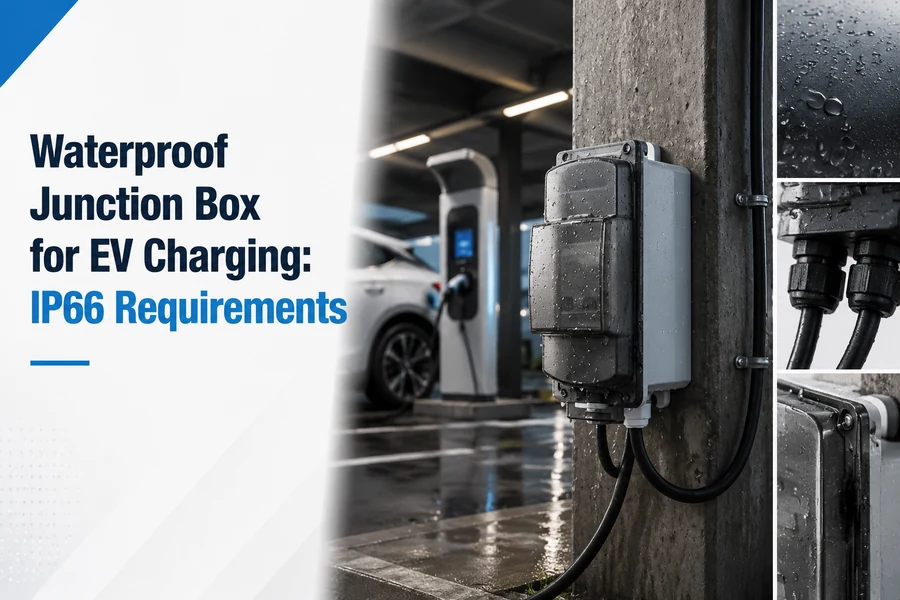
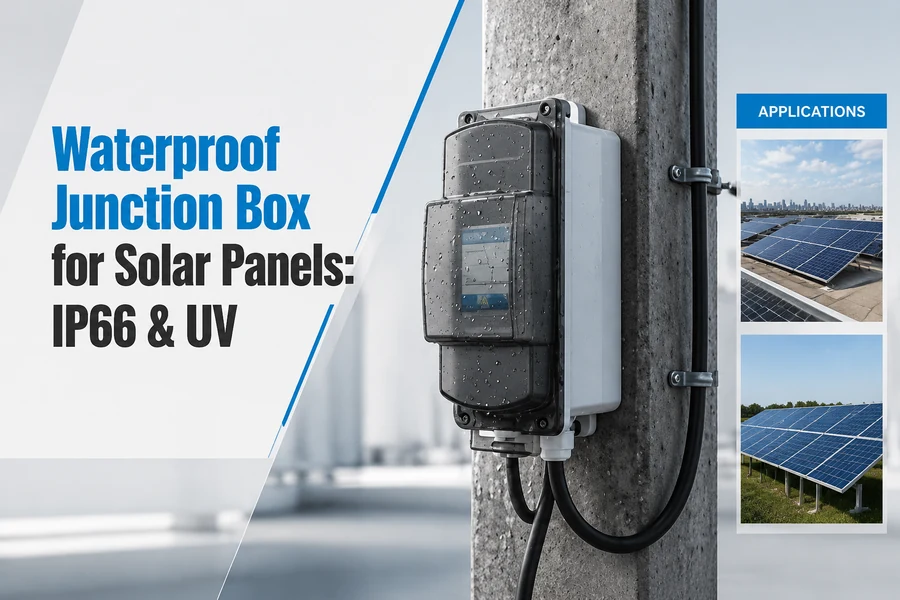
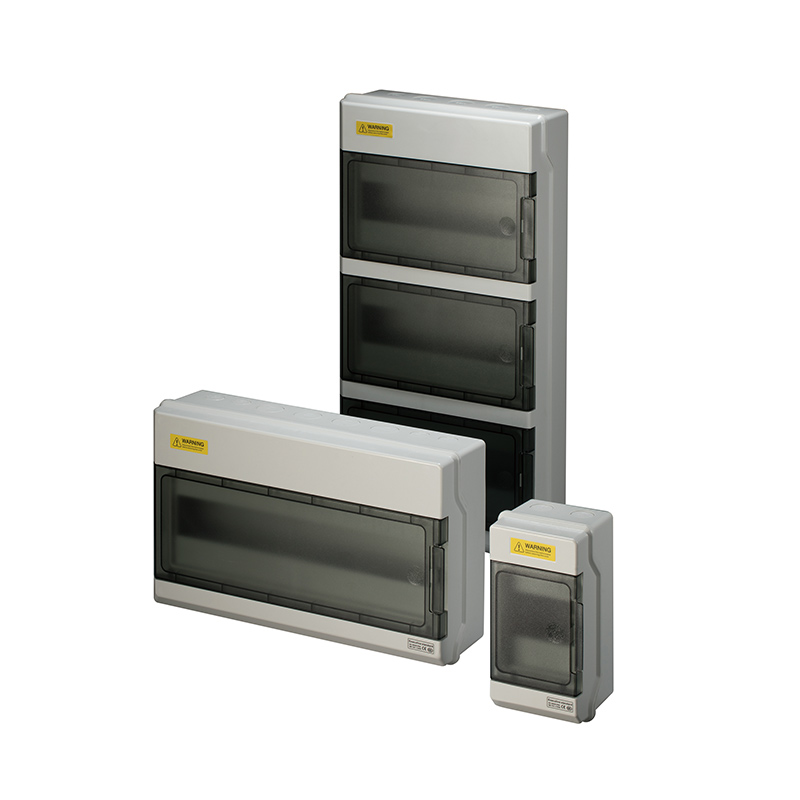
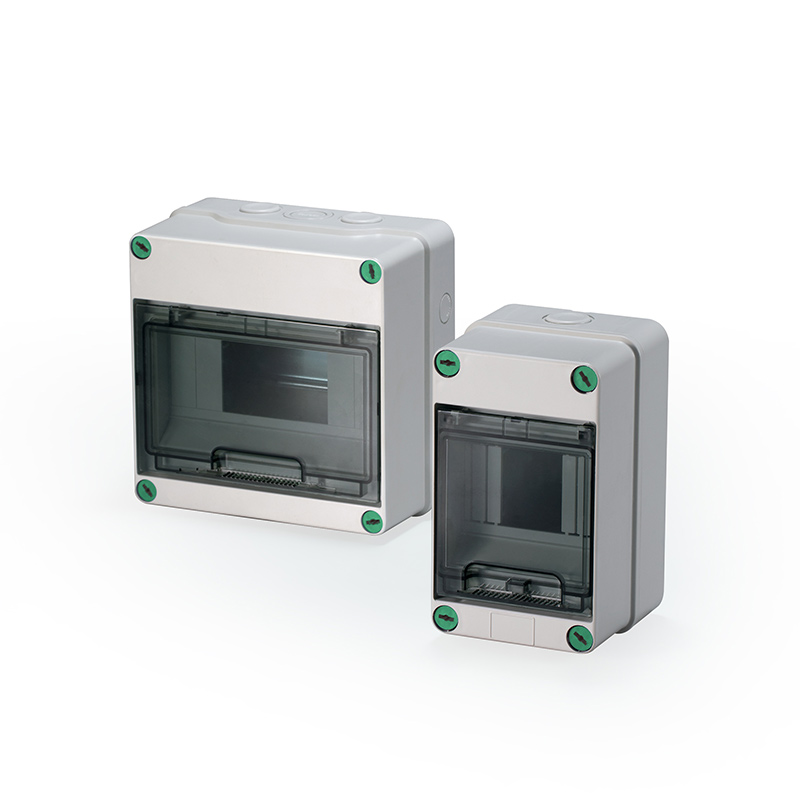
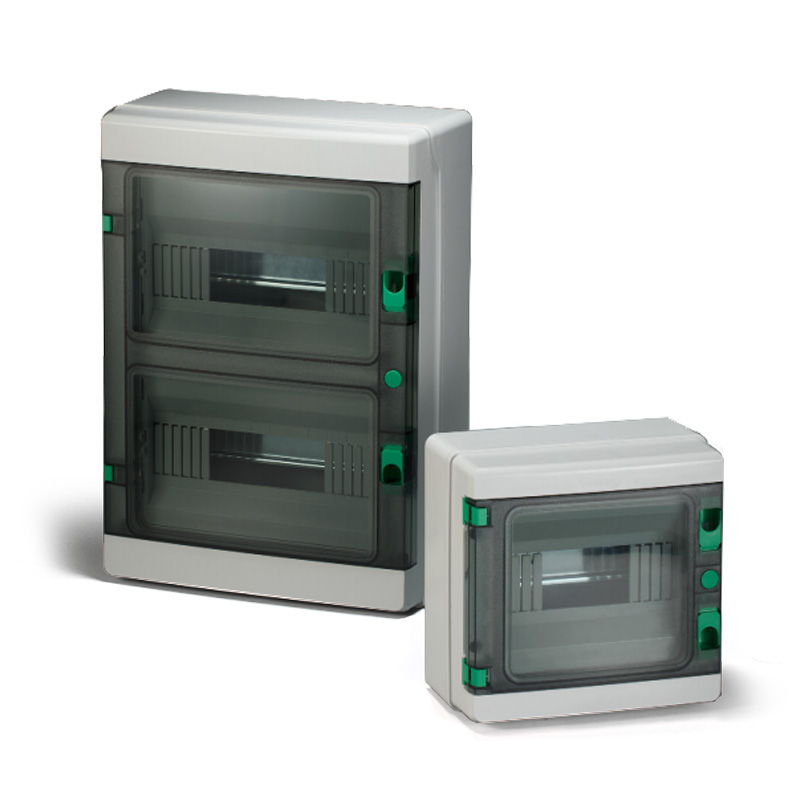
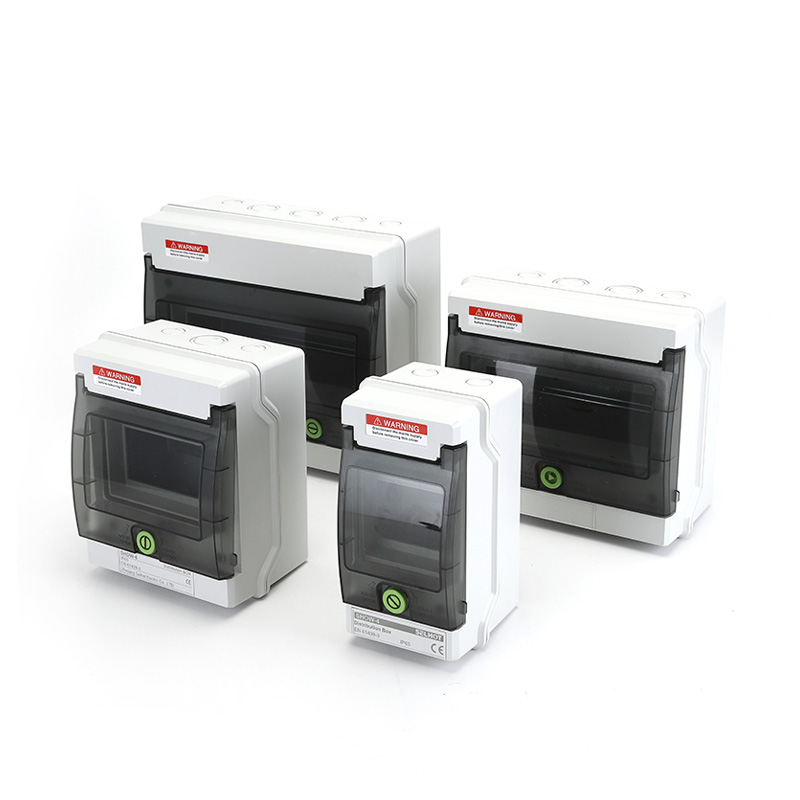
The Outdoor IP66 Weatherproof Plastic Junction Box is engineered to protect electrical connections in demanding outdoor environments. Its IP66 rating guarantees complete protection against dust ingress and powerful water jets, making it suitable for solar installations, telecommunications, industrial automation, and outdoor lighting systems. Plastic enclosures offer significant advantages over metal, including corrosion resistance, lightweight handling, and non-conductive properties that minimize electrical shock hazards.
When sourcing these enclosures, buyers must ensure the plastic material is UV-stabilized to prevent degradation from prolonged sun exposure. Common materials include polycarbonate (PC) and ABS, each offering distinct impact resistance and temperature tolerances. A key differentiator among suppliers is the ability to customize dimensions, entry points, and mounting options to fit specific project requirements. The Outdoor IP66 Weatherproof Plastic Junction Box typically features a wide operating temperature range of -40°C to +80°C, but always verify with the material datasheet.
- UV-stabilized plastic for outdoor longevity
- IP66 protection against dust and water jets
- Wide operating temperature range (typically -40°C to +80°C)
- Customizable knockouts and cable gland configurations
- Lightweight and non-corrosive compared to metal enclosures
What Key Specifications Should You Verify for Outdoor IP66 Weatherproof Plastic Junction Boxes?
Before engaging a supplier, ensure the Outdoor IP66 Weatherproof Plastic Junction Box meets your application's technical requirements. Critical parameters include enclosure dimensions, ingress protection level, material grade, and certifications. Request a datasheet that specifies impact resistance (IK rating if applicable), flammability rating (UL 94 V-0 or V-2), and halogen-free compliance for safety-critical installations.
Many buyers overlook the quality of gaskets and sealing mechanisms. A reliable enclosure should have a pre-applied polyurethane foam gasket or an integrated sealing lip that maintains integrity after repeated openings. For outdoor installations, verify that the design includes a drainage pathway to prevent water accumulation around cable entries. Additionally, confirm that the plastic material is rated for continuous UV exposure and that the enclosure meets the required environmental standards.
Step 1: Confirm Application Environment
Identify specific conditions: direct sunlight, humidity range, chemical exposure, and physical impacts. This defines the required material (PC vs ABS) and optional features such as UV coating or enhanced sealing.
Step 2: Verify Certification Documentation
Request IP66 test reports (IEC 60529) and material certificates. Ensure the supplier provides traceable compliance for UL, CE, or RoHS as per your regional standards.
How to Prepare an RFQ for Outdoor IP66 Weatherproof Plastic Junction Boxes?
An effective RFQ reduces sourcing time and clarifies supplier capabilities. When drafting an RFQ for Outdoor IP66 Weatherproof Plastic Junction Boxes, include the following elements:
- Exact dimensions and volume required
- IP rating and material grade (e.g., PC with UV stabilization)
- Number and size of cable entries or knockouts
- Expected operating temperature range
- Mounting type (wall, pole, or surface mount)
- Customization needs (color, logo, internal components)
- Required certifications and testing documentation
- Delivery timeline and packaging requirements
- Warranty terms and after-sales support expectations
Step 3: Define Acceptance Criteria
Specify acceptance tests such as visual inspection, dimension check, IP66 water spray test (if feasible), and functional fit of internal components. This ensures both parties have aligned expectations.
Step 4: Evaluate Supplier Responses
Compare proposals based on unit price, tooling costs (for custom molds), lead time, and warranty terms. Request references or case studies for similar Outdoor IP66 Weatherproof Plastic Junction Box projects.
What Procurement Risks and Cost Tradeoffs Should You Consider?
Procurement teams often face pitfalls that can delay projects or compromise enclosure performance. Awareness of these issues helps in constructing a robust supplier evaluation framework. Key risks include:
- Overlooking UV resistance: Standard plastic grades may become brittle after prolonged outdoor exposure. Always specify UV-stabilized materials for the Outdoor IP66 Weatherproof Plastic Junction Box.
- Assuming all IP66 ratings are identical: The IP66 test condition (30 kPa pressure, 12.5 L/min flow) is standardized, but real-world sealing reliability depends on gasket quality and design. Request sample testing.
- Ignoring cable gland compatibility: Ensure enclosure knockouts match standard gland sizes (PG, M, or NPT) to avoid field modification.
- Underestimating customization lead times: Custom molds or modifications can add weeks. Factor this into project scheduling.
- Neglecting after-sales support: Confirm the supplier provides replacement gaskets, accessories, and technical support for the product lifecycle.
Cost tradeoffs also play a major role. Low-cost enclosures may use thinner walls or inferior gaskets, leading to premature failure. Conversely, premium materials like polycarbonate with UV stabilizers may have higher upfront costs but reduce long-term replacement expenses. Balance total cost of ownership with performance requirements.
How to Plan Implementation and Maintenance for Long-Term Reliability?
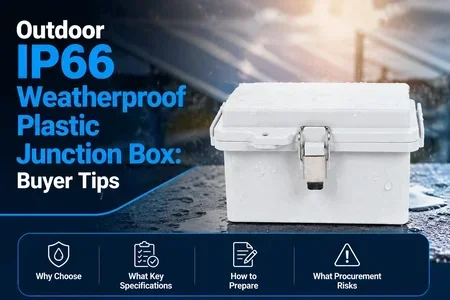
Proper installation and maintenance of the Outdoor IP66 Weatherproof Plastic Junction Box are critical to ensuring its longevity and performance. Follow these best practices:
- Ensure the enclosure is mounted on a flat, stable surface to prevent stress on the housing.
- Use appropriate cable glands with matching IP66 rating to maintain ingress protection integrity.
- Apply torque as recommended for cover screws to avoid damaging the gasket.
- Periodically inspect gaskets for wear and replace if cracked or compressed.
- Keep exterior surfaces clean to prevent heat buildup from dirt accumulation.
If field modifications are unavoidable, consult the supplier for guidelines to maintain the IP66 rating. Many suppliers offer pre-configured outlet options to reduce the need for drilling. For large projects, consider ordering a pre-production sample to test installation conditions.
FAQ
What is the operating temperature range for an Outdoor IP66 Weatherproof Plastic Junction Box?
Most plastic junction boxes rated IP66 operate between -40°C and +80°C. Always check the material datasheet, as polycarbonate (PC) can withstand higher temperatures than ABS. For applications near heat sources, request a thermal analysis from the supplier.
Can the enclosure be used for direct burial in soil?
No. The Outdoor IP66 Weatherproof Plastic Junction Box is tested for surface mounting and water jet exposure, not continuous submersion or ground burial. For direct burial, consider a junction box rated IP67 or higher with appropriate mechanical protection.
How do I ensure the IP66 rating is maintained after drilling additional holes?
Any field modification voids the manufacturer’s IP rating guarantee. To maintain integrity, specify all cable entry locations during procurement so the enclosure is molded or precision-drilled at the factory. If field drilling is unavoidable, use IP66-rated cable glands and apply a matching sealant recommended by the supplier.
What certifications should I look for?
Common certifications include UL 94 for flammability, IEC 60529 for ingress protection, and CE marking for European markets. Some industries require ATEX or UL 508A for hazardous locations. Always verify the certification scope against your region and application.
How can I compare different suppliers' Outdoor IP66 Weatherproof Plastic Junction Boxes?
Request detailed datasheets, third-party test reports, and sample units for evaluation. Compare based on material quality, gasket design, dimensional accuracy, and customization capabilities. Also assess lead times, warranty terms, and after-sales support.
What is the typical lead time for custom Outdoor IP66 Weatherproof Plastic Junction Boxes?
Lead times vary by supplier and complexity. Standard enclosures may ship within 1-2 weeks, while custom molds or modifications can take 4-8 weeks. Always clarify lead times during RFQ and include buffer in project schedules.
Conclusion
Selecting the right Outdoor IP66 Weatherproof Plastic Junction Box requires a thorough evaluation of technical specifications, supplier capabilities, and procurement documentation. By using the RFQ checklist, verification steps, and maintenance best practices outlined above, buyers can reduce the risk of performance failures and costly rework. Focus on material choice, gasket quality, and certification compliance to ensure long-term reliability in outdoor electrical installations. For more information on tailored solutions, explore the Junction Box category on the site.