English
 中文
中文 Русский
Article Overview: This article provides a neutral, side-by-side comparison of rotary load isolation switches for B2B decision-makers. CTOs, technical architects, and procurement teams will find a clear evaluation framework covering technical specifications, operating environment fit, enclosure compatibility, and procurement considerations. The goal is to help you select the optimal Load Isolation Switch, Rotary Isolator Switch solutions for your specific application without bias toward any single brand.
How Does a Rotary Load Isolation Switch Differ from Other Disconnects?
When evaluating disconnection devices, the rotary load isolation switch stands out for its ability to break load current under normal operating conditions while providing a visible air gap for safe maintenance. Unlike knife switches, which are typically used for low-voltage, non-load break applications, or molded case switches that may lack a visible disconnect, the rotary design offers a balance of manual operation, compact footprint, and reliable isolation. Below we compare the three common types across key decision criteria.
Switching Mechanism and Load Break Capability
Option A: Rotary Load Isolation Switch — Utilizes a rotary cam or blade mechanism to open or close contacts. Can safely break load current up to its rated capacity, typically 16A to 125A for common industrial sizes. Provides a visible gap when in the OFF position.
Option B: Knife Switch — Simple hinged blade connection; not designed for load breaking (arcing hazard). Typically used for isolation only in low-current, non-critical circuits.
Buyer note: If your application requires occasional load switching under normal conditions (e.g., motor disconnection, panel maintenance), the rotary load isolation switch is the appropriate choice. For pure isolation without load break, a knife switch may be considered only if budget and safety margins allow.
Enclosure and Environmental Fit
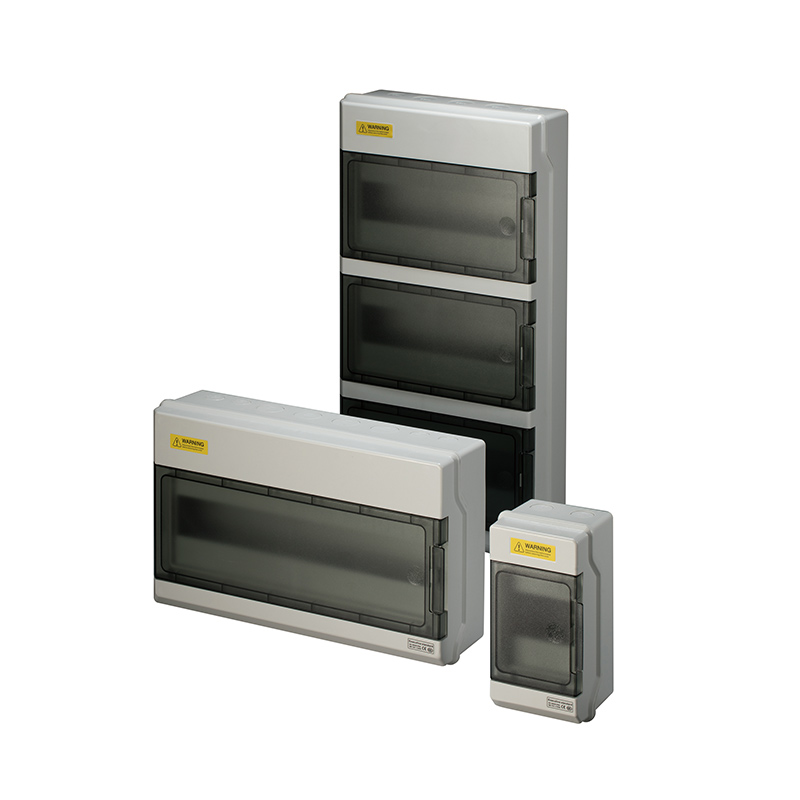
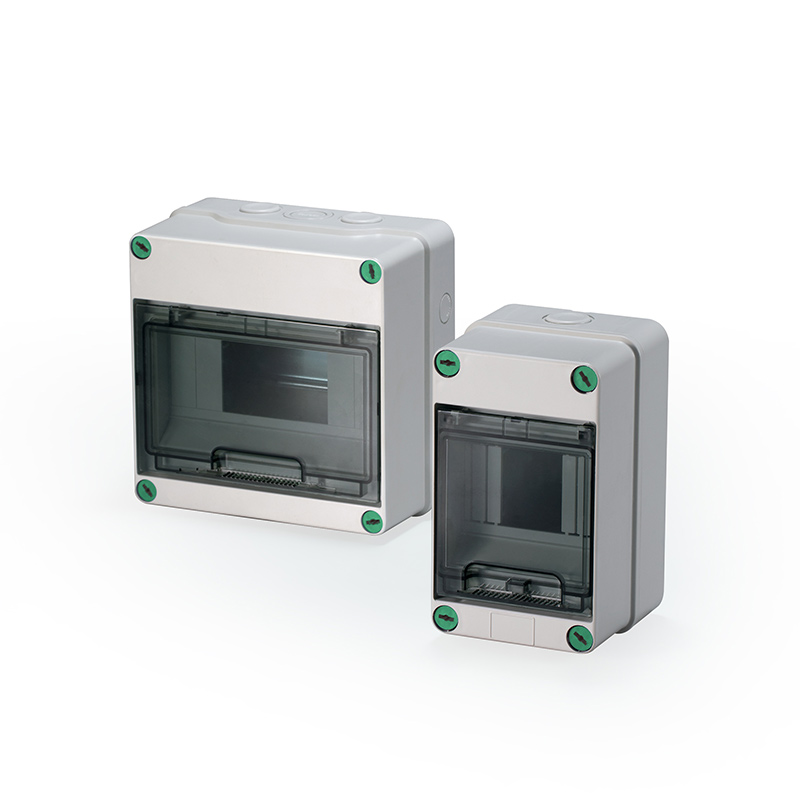
Option A: Rotary Load Isolation Switch — Available with IP65 or IP66 rated enclosures from various suppliers, making them suitable for outdoor or wash-down environments. Compact design allows integration into junction boxes or distribution panels.
Option B: Open Knife Switch — Typically no enclosure; must be housed in a separate protective cabinet, adding cost and space.
Buyer note: For installations exposed to dust, moisture, or temperature extremes, a rotary load isolation switch with an IP-rated enclosure reduces the need for secondary protection.
Key differences to remember when selecting a rotary isolator switch for your facility:
- Rotary switches combine load break and isolation in one compact unit.
- Knife switches are lower cost but limited to non-load applications.
- Molded case switches often lack a visible disconnect, which may be required by code.
What Are the Key Technical Specifications to Compare?
To objectively evaluate rotary load isolation switch options, focus on these measurable parameters. The following table presents typical spec ranges for industrial-grade models; always validate against your specific load and environment.
| Criterion | Option A (Standard Industrial) | Option B (Compact / Light Duty) |
|---|---|---|
| Rated Voltage (AC) | 600 V max | 250 V max |
| Rated Current | 32 A to 125 A | 16 A to 32 A |
| Enclosure IP Rating | IP66 | IP65 |
| Number of Poles | 3P, 4P (with neutral) | 2P, 3P |
| Mechanical Life | 10,000 operations | 6,000 operations |
| Certification (typical) | IEC 60947-3, CE, RoHS | IEC 60947-3, CE |
| Operating Temperature | -25°C to +55°C | -20°C to +50°C |
Additional points to check when reviewing datasheets:
- Utilization category (e.g., AC-23A for motor loads).
- Short-circuit withstand rating (Icw and Icm).
- Terminal type and wire range compatibility.
Always request the manufacturer's data sheet for exact values. The above ranges represent common industrial offerings and may vary by supplier.
Evaluating Operating Conditions and Enclosure Compatibility
Choosing the right rotary load isolation switch requires matching the device to its physical and electrical environment. Use the following flow-based evaluation to confirm technical fit.
Phase 1: Define the Operating Zone
Action: Determine whether the switch will be installed indoors, outdoors, or in a sealed enclosure. Outcome: If outdoor or wet location, require IP66 minimum. For clean indoor panels, IP65 may suffice. Buyer note: Verify that the switch's enclosure is compatible with your junction box cutout dimensions—common sizes are 22 mm or 30 mm panel cuts for selector handles.
Phase 2: Calculate Load Characteristics
Action: Sum the full-load current of all downstream devices plus a safety margin (typically 20%). Outcome: Select a switch rated at least that current. For motor loads, account for inrush current—a rotary load isolation switch with a utilization category of AC-23A (for motors) is recommended.
Phase 3: Review Isolation and Safety Requirements
Action: Check local wiring regulations (e.g., NEC, IEC 60364) for isolation switch requirements—visible gap, padlockable handle, emergency stop compatibility. Outcome: Ensure the switch offers a visible disconnect (most rotary types do) and accepts a standard padlock for lockout/tagout.
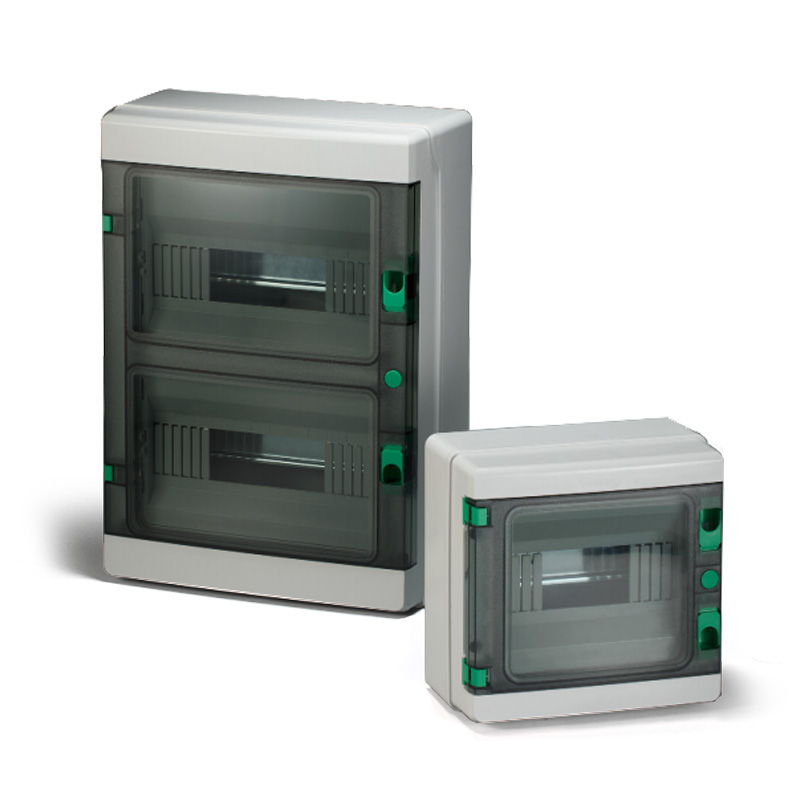
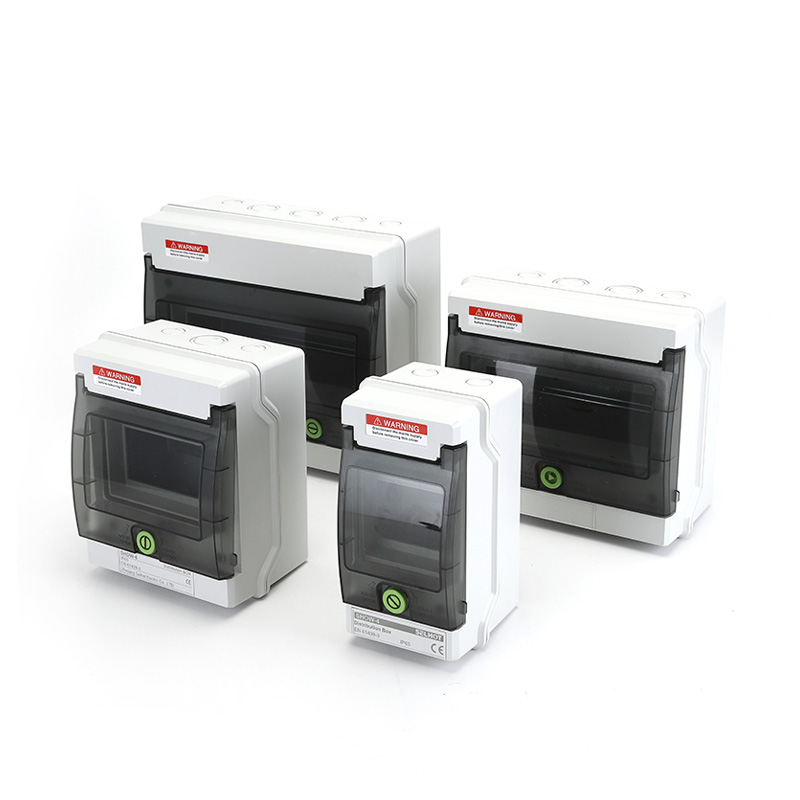
After completing these phases, you will have a clear specification for the required rotary load isolation switch. For additional guidance on enclosure integration, review distribution box solutions that can house the switch and wiring neatly.
Procurement Checklist: Certifications, Compliance, and Supplier Fit
Beyond specifications, evaluate the supplier's ability to meet your compliance and delivery needs. Use the checklist below to compare options.
- Certification: Confirm the rotary load isolation switch is certified to IEC 60947-3 or UL 98 (if required in your region). Look for marks like CE, UKCA, or CSA.
- Enclosure compatibility: Does the switch fit your chosen distribution box or junction box? Many suppliers offer pre-configured enclosure solutions that integrate the switch and wiring space.
- Customization: Can the switch be supplied with custom terminal layouts, color coding, or marking? Evaluate lead times for non-standard orders.
- Support and documentation: Request wiring diagrams, torque specifications, and declaration of conformity before purchasing.
- Lifecycle and maintenance: Evaluate the availability of spare parts (e.g., contact kits, handles) and the manufacturer's service network.
For a comprehensive overview of available configurations, revisit the Load Isolation Switch, Rotary Isolator Switch product range to compare options side by side.
FAQ
What is the typical lifespan of a rotary load isolation switch?
Mechanical life typically ranges from 6,000 to 10,000 operations depending on the model and operating conditions. Electrical life under full load is lower—consult the manufacturer's data for the specific utilization category.
Can a rotary load isolation switch be used for motor disconnection?
Yes, provided the switch is rated for AC-23A or equivalent motor switching duty. Always verify that the switch's breaking capacity exceeds the motor's locked-rotor current.
Are rotary load isolation switches suitable for DC applications?
Some models are rated for DC, but DC breaking requires a larger arc gap. Confirm the DC voltage and current ratings on the data sheet; many standard rotary switches are intended for AC only.
How do I choose between IP65 and IP66 enclosure protection?
IP66 offers higher water resistance (powerful jets) compared to IP65 (water jets). For outdoor installations exposed to high-pressure washdown or heavy rain, IP66 is recommended. For indoor or sheltered outdoor use, IP65 is often sufficient and may be more cost-effective.
What is the difference between a load isolation switch and a disconnector?
A load isolation switch can break load current under normal conditions, while a disconnector typically cannot. Rotary load isolation switches are designed for occasional load switching plus isolation, making them versatile for applications like panel maintenance and motor disconnection.
Can I use a rotary load isolation switch in a three-phase system?
Yes, these switches are available in 3-pole and 4-pole versions for three-phase systems. Ensure the rated voltage and current match your system's requirements.
Conclusion: Making Your Selection
Selecting the right rotary load isolation switch involves balancing technical specifications, environmental fit, and procurement factors. By comparing voltage, current, enclosure IP rating, and certification evidence—as demonstrated in the table and evaluation phases above—decision-makers can objectively assess options. Always request sample specifications or datasheets from multiple suppliers, and test the switch in your specific enclosure before committing to large orders. For further comparison of Load Isolation Switch solutions, review the product offerings on the isolation switch page to see real-world configurations and make an informed purchase decision.