English
 中文
中文 Русский
Aug 14, 2026

Article Overview: This guide provides an objective framework for comparing IP65 isolation switches, focusing on the material composition of the housing, the injection molding process, and the practical implications for durability, safety, and total cost of ownership. It is intended for CTOs, technical architects, and procurement teams who need to evaluate products from multiple suppliers.
Isolation switches are critical for ensuring safe disconnection of electrical circuits in commercial and industrial environments. With a wide range of products on the market—differing in IP rating, housing material, handle design, and manufacturing quality—buyers need a consistent method to compare options. This article breaks down the primary decision factors using evidence from product specifications and manufacturing data, helping you build a clear evaluation checklist.
The housing is the first line of defense against environmental stressors. In IP65-rated switches, the enclosure must resist dust ingress and low-pressure water jets, while also providing mechanical strength and flame retardancy. Common materials include ABS (acrylonitrile butadiene styrene), PC (polycarbonate), and PA6 (nylon 6), each with distinct trade-offs.
ABS offers a good balance of impact resistance and cost, making it a popular choice for general-purpose enclosures. However, it has limited UV stability, which can lead to discoloration and brittleness under prolonged sunlight exposure. For outdoor installations, a matte finish is often used to reduce UV degradation, as noted in the matte-finished housing of some IP65 switches. PC provides superior impact strength and better UV resistance, but at a higher material cost and with potentially lower chemical resistance. PA6 (nylon) excels in mechanical toughness and chemical resistance, making it suitable for harsh industrial environments, though it can absorb moisture over time, affecting dimensional stability. The choice between a glossy or matte surface is not only aesthetic: matte finishes can hide surface scratches and reduce glare, but may also indicate the addition of UV stabilizers or fillers that alter mechanical properties. For procurement teams, requesting detailed material data sheets (including UL 94 flammability rating and UV testing results) is essential. An example scenario: a switch installed in a coastal facility near salt spray would require a material with high corrosion resistance, potentially favoring PC or PA6 over ABS unless the ABS is specially coated.
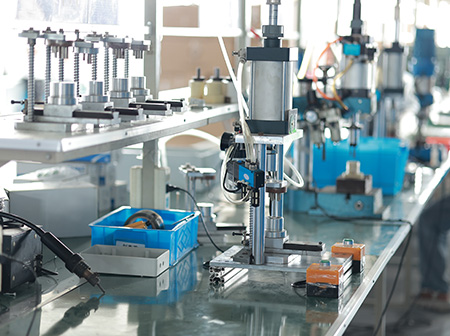
The manufacturing process is as important as the material itself. Injection molding determines the precision of the housing’s dimensions, the consistency of wall thickness, and the reliability of sealing surfaces. A single supplier may operate dozens of injection molding machines—as evidenced by one manufacturer with 37 large machines—but the quality of tooling, process control, and inspection routines varies.
Key evaluation criteria include: mold design (gate location, cooling channels) which affects warpage and sink marks; cycle time optimization that can trade off between speed and part quality; and post-molding operations such as degating, deburring, and assembly. For an IP65 switch, the gasket groove and terminal entry points must be dimensionally accurate to maintain the seal. Poor molding can lead to flash or voids that compromise IP protection. Buyers should ask suppliers about their quality management system—such as the use of MES (Manufacturing Execution Systems) for real-time process monitoring—and request dimensional inspection reports for critical features. The presence of mechanical interlocking devices, common in isolation switches, also depends on precise molding of interlock components. A switch that feels loose or has uneven gaps when operated may indicate inconsistent molding or assembly. Therefore, physical samples and functional testing under load should be part of the evaluation.
IP65 is a common rating for indoor and sheltered outdoor use, but many applications may require IP66 (higher water jet resistance) or IP67 (temporary immersion). The housing material and design directly affect the achievable rating. A matte finish is often used on IP65 switches to improve UV resistance and hide wear, but it does not automatically imply a higher ingress protection level. The sealing system—gasket material and compression design—is more critical for achieving IP66 or IP67.
Comparison by criteria: IP65 enclosures are typically suitable for user-touch environments like workshops and warehouses. They provide adequate protection against rain and hose-directed water, but not against prolonged submersion. IP66 requires stronger sealing and often a thicker housing wall, which may necessitate a different material choice or a ribbed design to maintain structural integrity. IP67 demands even more robust sealing, sometimes with overmolded gaskets. For buyers, the decision hinges on the specific environment: if the switch will be exposed to high-pressure washdowns, IP66 or higher is necessary, and the matte finish becomes a secondary consideration. However, matte materials can also be used for higher IP ratings if the formulation supports it. An example hypothetical: a food processing facility uses regular washdown cycles; an IP66 switch with a PC/ABS blend matte housing may offer better chemical resistance than a glossy ABS version. Always verify the rating test conditions with the supplier.
Beyond the housing, the design of the handle and internal mechanism impacts user safety and operational convenience. Isolation switches are available with round handles or slim handles, both of which can be equipped with padlockable features for lockout/tagout (LOTO). The material of the handle matters: some handles are molded from the same PC or PA6 as the housing, while others use reinforced nylon for extra strength. Mechanical interlocking is a critical safety feature in certain applications, ensuring that the switch cannot be turned on while the cover is open. The precision of interlock components depends on injection molding tolerances and assembly consistency.
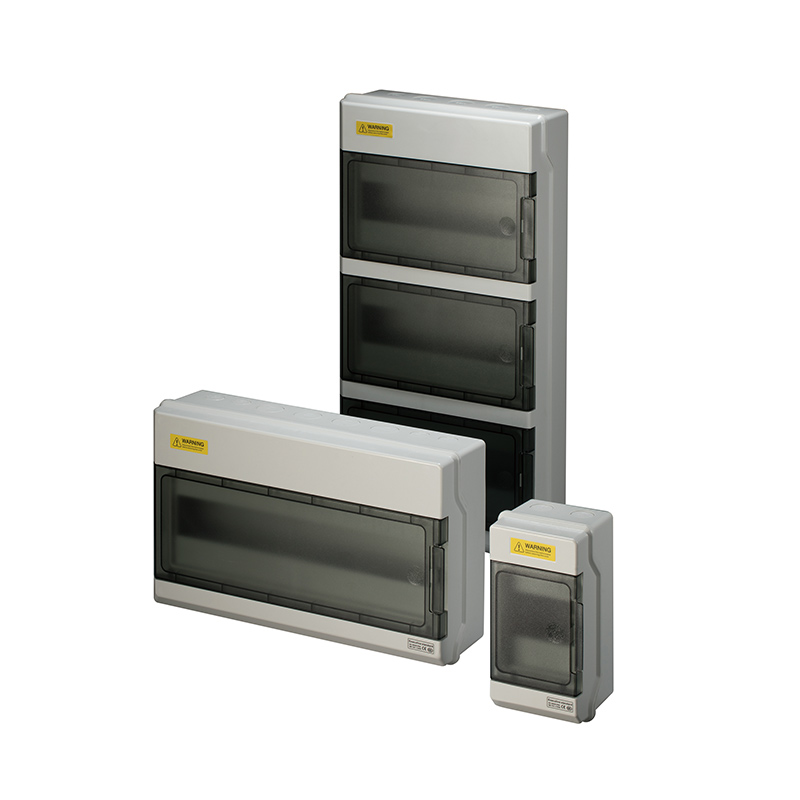
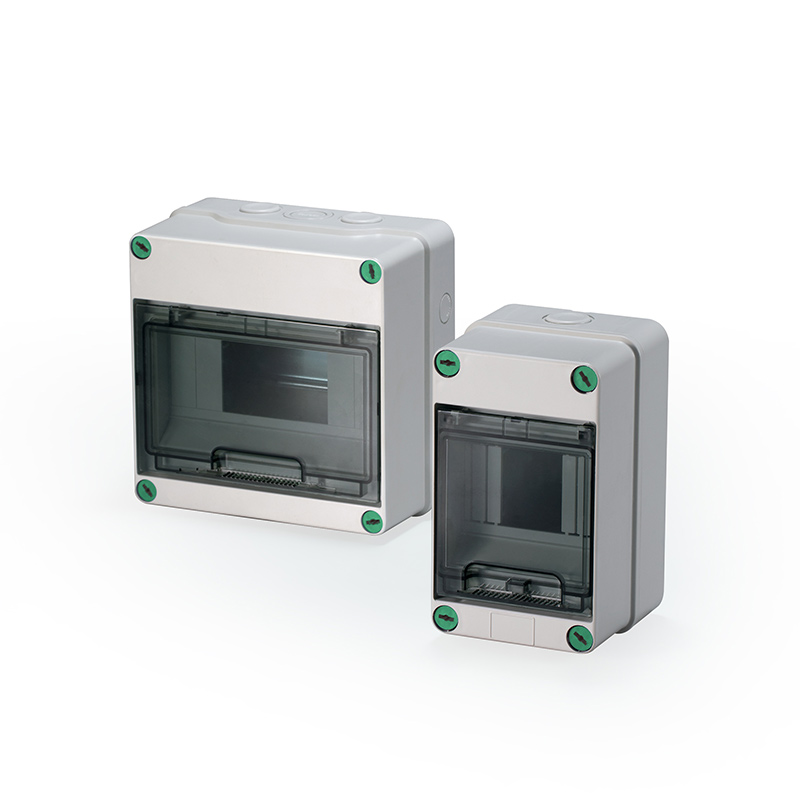
For procurement teams, the comparison should include: handle ergonomics (ease of gloved operation), locking mechanism reliability (padlock hole size, hasp compatibility), and terminal type (screw, clamp, or quick-connect). A switch with a matte housing may have a similarly matte handle for a uniform appearance, but the handle may require higher impact strength. Buyers should also consider the availability of accessories such as auxiliary contacts for remote indication. For comprehensive system integration, the isolation switch is often used alongside distribution boxes and junction boxes, ensuring consistent IP ratings and material compatibility. For example, a IP65 weatherproof isolation switch can be paired with a distribution box of similar rating for a complete outdoor power distribution solution.
The upfront cost of an isolation switch is only one part of the equation. Factors such as maintenance, replacement frequency, and downtime costs must be considered. Switches with lower-grade materials may fail earlier in harsh environments, leading to higher long-term expenses. For example, an ABS housing in a UV-exposed location may become brittle after a few years, requiring replacement, whereas a PC housing with UV stabilizers could last significantly longer. Similarly, precision-molded switches with consistent sealing reduce the risk of water ingress and subsequent damage to connected equipment.
Buyers should request lifecycle cost estimates based on the expected environment. Certification marks (CE, UL, CCC) provide a baseline quality assurance, but not all certifications test for long-term UV or chemical resistance. A supplier’s quality control processes and certificates can indicate commitment to reliability. For organizations with global facilities, ensuring consistent product quality across multiple sites is also important. The decision framework should include a risk assessment: for critical infrastructure, prioritize material and process quality over price; for less demanding applications with easy access for replacement, cost may be the primary driver. Always request samples and conduct internal testing under conditions that mirror actual use.
A: There is no single best material; the choice depends on the environment. PC offers excellent impact and UV resistance but costs more. ABS is more economical and impact-resistant but less UV-stable. PA6 (nylon) provides chemical resistance and toughness but may absorb moisture. Evaluate based on exposure to sunlight, chemicals, and temperature extremes.
A: Not necessarily. A matte finish can indicate the addition of UV stabilizers or fillers, which may improve durability, but the primary quality determinants are material formulation, injection molding precision, and sealing design. Matte surfaces do hide scratches and reduce glare, which can be beneficial in certain applications.
A: Check for certification marks from a recognized body (e.g., UL, CE, TÜV) and request the test report. The IP rating should be tested in a laboratory environment. For critical applications, consider performing your own ingress protection test on samples.
A: Look for visible flash (excess plastic seam), sink marks (depressions), warpage, inconsistent color, or uneven gasket seating. A poorly molded housing may compromise sealing or mechanical interlock alignment. Request dimensional inspection data for critical features.
A: It depends on the expected water exposure. IP65 is sufficient for rain and general splash. If the switch will be subjected to high-pressure water jets (e.g., washdown areas), choose IP66 or higher. Also consider the ambient temperature range and potential for ice formation, which may affect seal performance.
Selecting the right IP65 isolation switch requires a structured evaluation of housing material, injection molding quality, sealing design, and overall construction. By comparing products along these criteria rather than relying on marketing claims, technical decision-makers can match a switch to their specific operational environment and budget. Begin by defining the environmental conditions (indoor, sheltered outdoor, or exposed), then determine the necessary IP rating and mechanical demands. Next, request material data, quality documentation, and samples from multiple suppliers. Finally, factor in total cost of ownership, including maintenance and replacement intervals. For a deeper dive into related enclosure options, explore junction boxes and commercial solutions that integrate with isolation switches for a complete electrical system. This buyer-side decision framework will help you invest in reliable equipment that reduces downtime and ensures safety over the long term.