English
 中文
中文 Русский
Article Overview: This guide equips procurement managers and engineers with a practical framework for evaluating Junction Box suppliers. It covers material selection, IP ratings, certifications, RFQ structuring, and common pitfalls — all aimed at reducing risk and ensuring reliable performance.
Why Is Junction Box Material Selection Critical for Your Application?

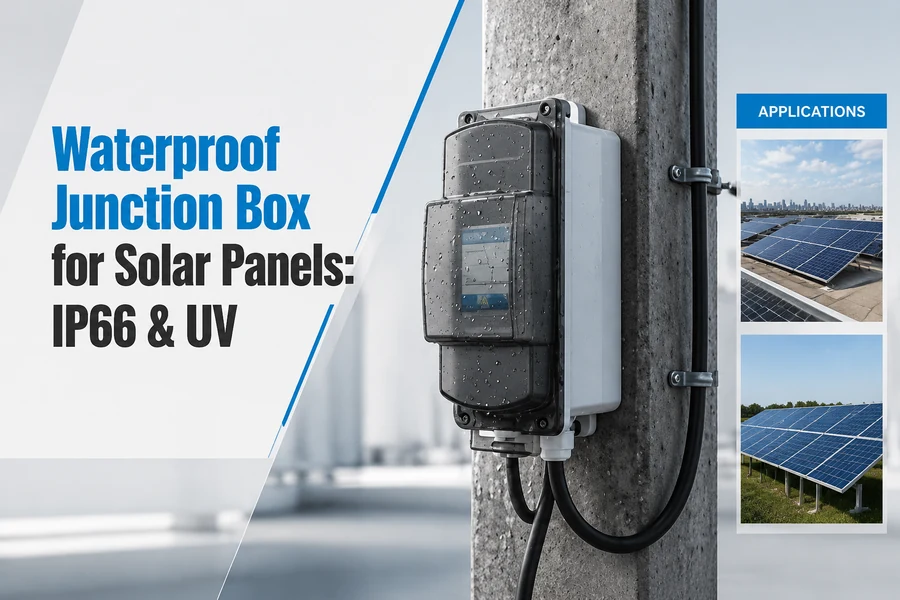
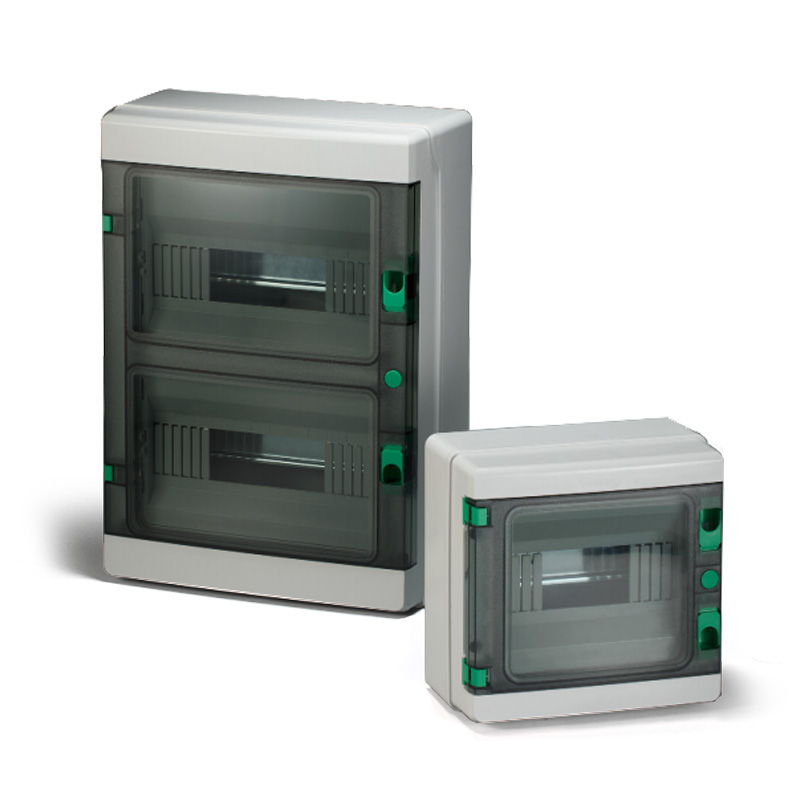
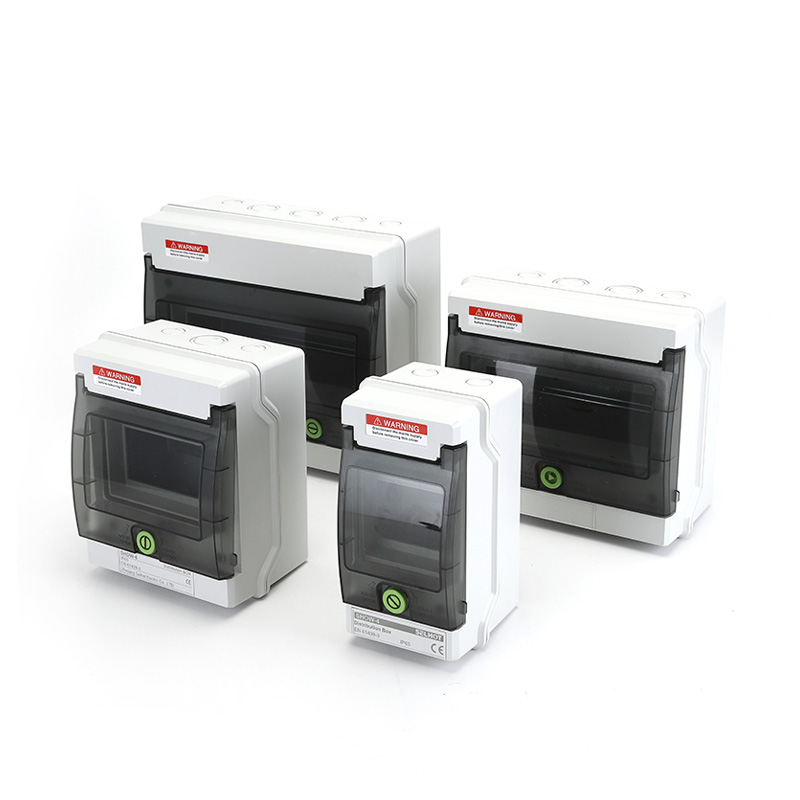
The material of a Junction Box directly influences durability, environmental resistance, and safety. Common options include polycarbonate, ABS, and metal alloys. Polycarbonate offers high impact resistance and UV stability, making it suitable for outdoor use. ABS is cost-effective for indoor applications. Metal boxes provide superior strength and electromagnetic shielding but may require corrosion protection.
When evaluating suppliers, ask about material specifications, including UL94 flammability rating and temperature range. For outdoor or harsh environments, ensure the Junction Box material is UV-stabilized and rated for the expected ambient temperature.
Step 1: Define Application Environment
Document operating conditions: indoor/outdoor, temperature range, exposure to chemicals or moisture, and required impact resistance. Share this with potential suppliers to verify material compatibility.
Step 2: Request Material Data Sheets
Ask for documented material properties, including UL94 rating, IP rating test reports, and UV resistance certification. Compare against your project requirements.
How to Verify IP Ratings and Environmental Protection?
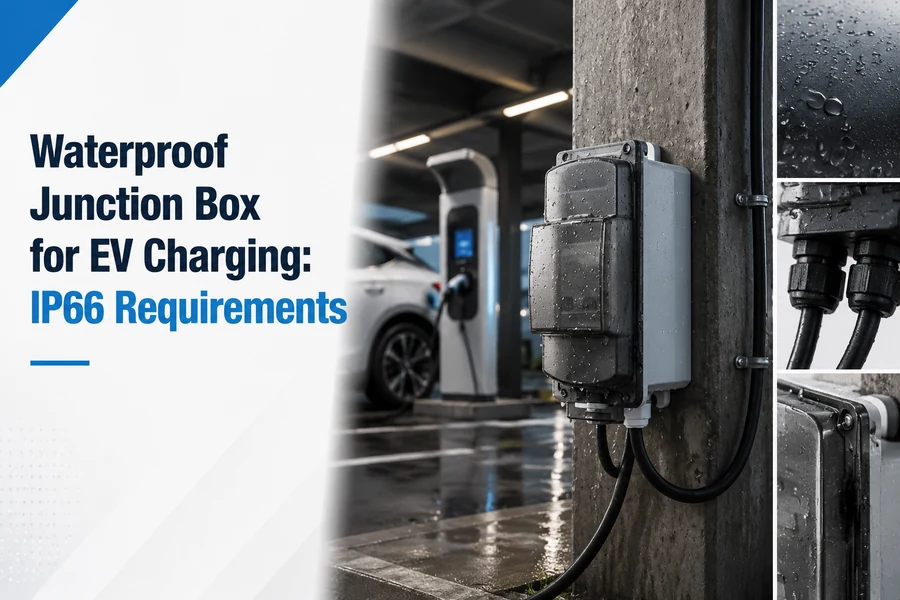
Ingress Protection (IP) ratings indicate the level of sealing against solids and liquids. For Junction Boxes, common ratings include IP65, IP66, and IP67. IP65 protects against low-pressure water jets; IP66 offers higher pressure resistance; IP67 allows temporary submersion.
Suppliers should provide test reports from accredited labs. Verify that the rating applies to the complete assembled box, including gaskets and cable entries. During supplier evaluation, ask how they ensure consistent gasket quality and sealing under production variations.
- Request IP test certificates for the exact model you intend to purchase.
- Check gasket material (e.g., silicone, neoprene) and its temperature range.
- Inspect sample units for uniform sealing surfaces.
What Certifications Should a Junction Box Supplier Hold?
Certifications demonstrate compliance with international safety and performance standards. Key certifications for Junction Boxes include:
- CE marking (European market)
- UL 94 or UL 746C (flammability and electrical insulation)
- IEC 60529 (IP rating)
- RoHS compliance (restriction of hazardous substances)
- CSA, or other regional approvals depending on destination.
Ask suppliers for copies of valid certificates and verify their scope matches the product range. Many reputable manufacturers display certifications on their website or provide them upon request. For a comprehensive overview of a Junction Box solution, examine how they document compliance.
How to Structure Your RFQ for Junction Boxes?
An effective RFQ reduces ambiguity and ensures comparable quotes. Include the following sections:
- Product specifications: dimensions, material, IP rating, cable entry type and quantity, operating temperature range.
- Certification requirements: list mandatory marks and acceptable equivalents.
- Quantity and lead time: annual volume, initial order quantity, and desired delivery schedule.
- Quality expectations: require inspection plans, testing documentation, and samples.
- Pricing terms: request unit price, tooling costs (if any), and payment terms.
Phase: RFQ Distribution and Evaluation
Send the RFQ to at least three qualified suppliers. After receiving responses, evaluate each against predefined criteria: technical compliance, certification coverage, lead time, and total cost of ownership (including shipping and duties). Conduct a factory audit or request third-party inspection before finalizing.
For a wider selection, consider exploring a product line that includes various Junction Box options to understand available configurations and customization possibilities.
Common Procurement Mistakes with Junction Boxes
Procurement teams often overlook details that lead to project delays or field failures. Common pitfalls include:
- Specifying the wrong IP rating for the environment.
- Neglecting to verify gasket material compatibility with chemicals or UV.
- Overlooking cable gland thread types (metric vs. NPT).
- Assuming one-size-fits-all solutions for different voltage or current levels.
- Not validating supplier certifications against the destination country’s requirements.
Mitigate these by using a detailed specification checklist and involving project engineers early in the supplier evaluation process.
FAQ
What is the difference between IP65 and IP66 Junction Boxes?
IP65 offers protection against low-pressure water jets, while IP66 withstands more powerful water jets. Choose IP66 for areas with heavy rain or washdown requirements. Both ratings prevent dust ingress.
Can Junction Boxes be customized with specific cable entry patterns?
Yes, many manufacturers offer custom knockouts or threaded entries. Discuss your requirements early in the RFQ process. Custom tooling may be required for high volumes.
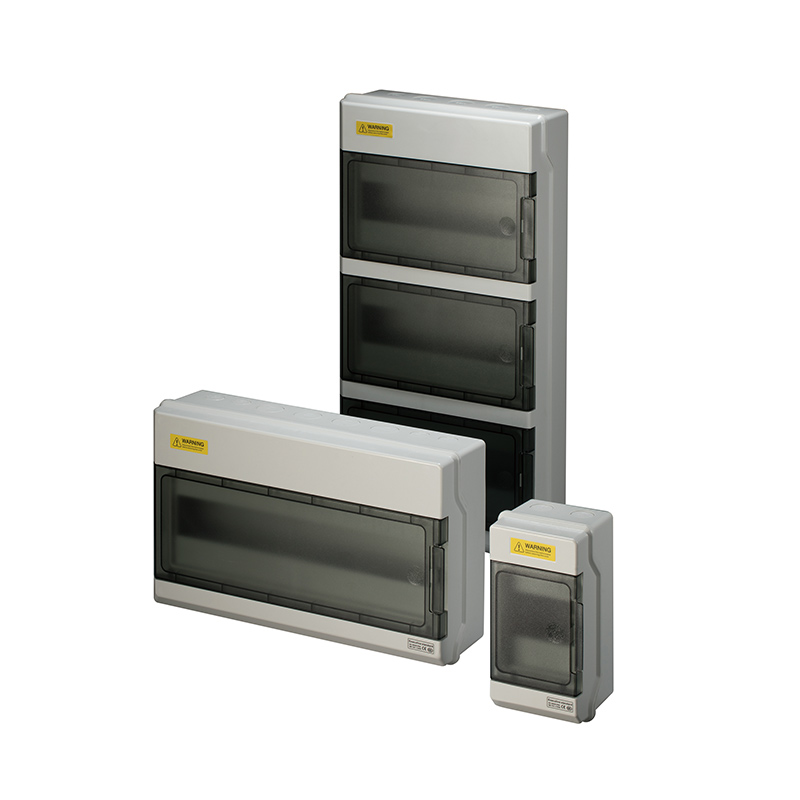
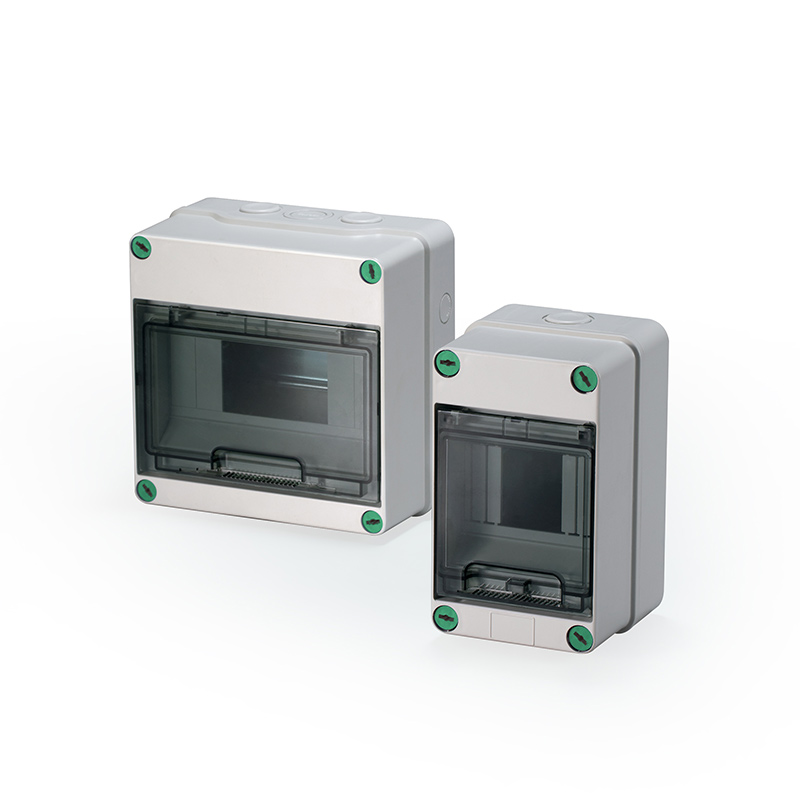
What standard sizes are available for Junction Boxes?
Common sizes range from small (80x80x50mm) to large (400x300x150mm). Standardized boxes follow IEC/EN 60670 or similar. Always verify internal dimensions for wire bending space.
How do I verify that a supplier’s IP rating is legitimate?
Request a copy of the test report from an accredited laboratory. Check that the report references the exact model number and test conditions per IEC 60529.
Conclusion
Selecting the right Junction Box supplier requires careful evaluation of materials, certifications, and environmental protection. By following the steps outlined in this guide—defining application needs, verifying test reports, structuring a thorough RFQ, and avoiding common mistakes—procurement professionals can reduce risk and ensure reliable, long-term performance. Focus on suppliers who provide transparent documentation and customization capabilities. For a dedicated Junction Box system, leverage supplier expertise to obtain cost-effective, compliant solutions for your projects.