English
 中文
中文 Русский
Article Overview: This article provides procurement and supply chain decision-makers with a structured approach to evaluating junction box suppliers, products, and total cost of ownership. It covers key specification clarifications, supplier reliability checkpoints, cost-risk tradeoffs, implementation outcomes, and actionable next steps to support purchase conversion.
Understanding Junction Box Specifications
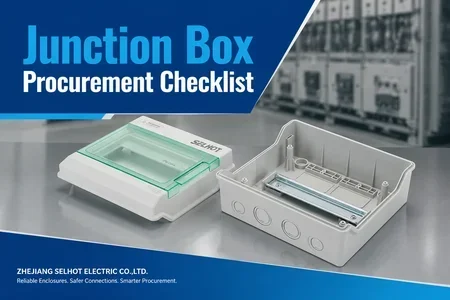
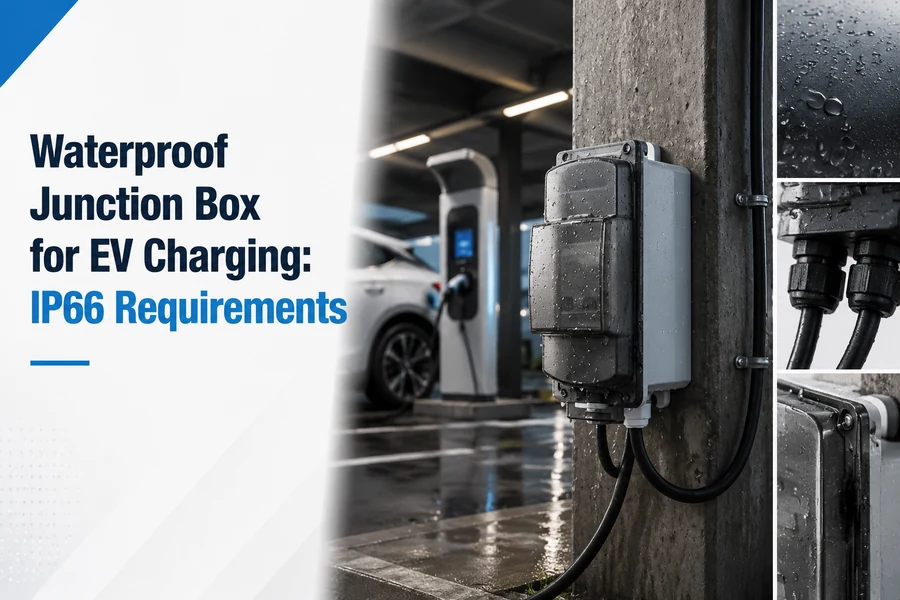
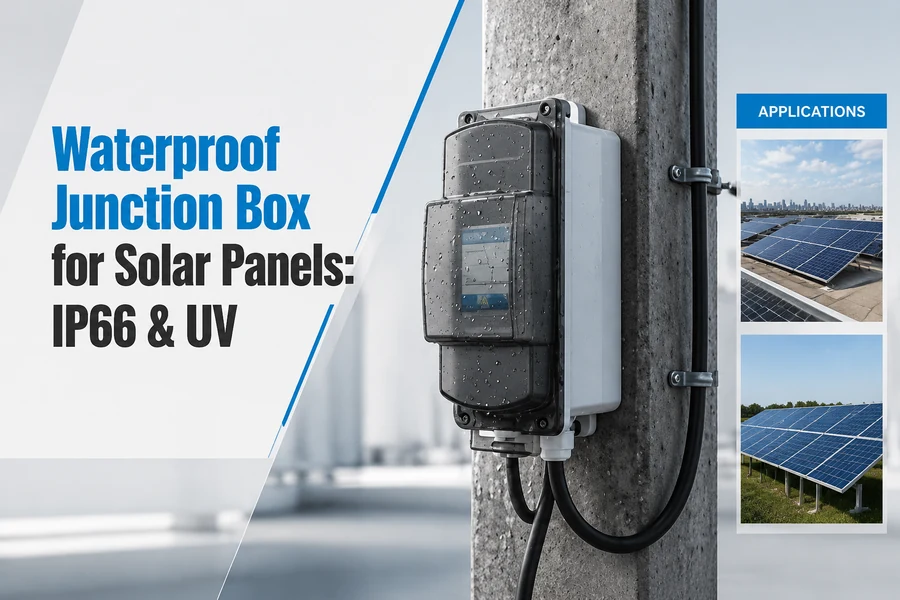
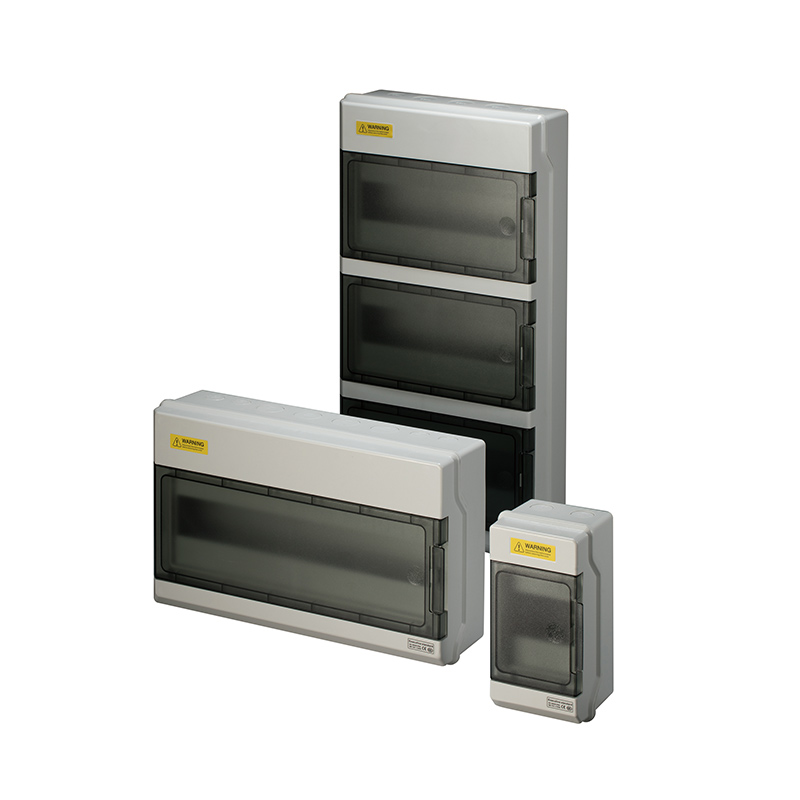
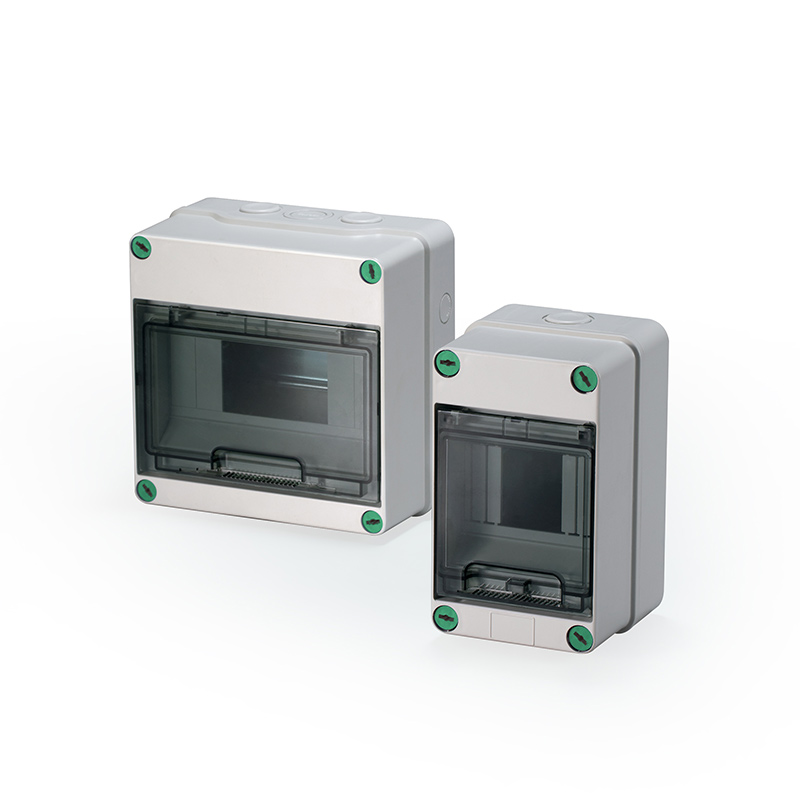
A junction box is a critical component in electrical distribution systems, providing a safe enclosure for wire connections, splice points, and terminal blocks. For procurement professionals, the first step is to align technical requirements with application environment. Key spec categories include ingress protection (IP) rating, material composition (plastic vs. metal), temperature range, and cable entry options. An outdoor installation, for example, typically demands an IP66 or higher rating, while industrial settings may require corrosion-resistant alloys. Buyers should request datasheets that clearly state these parameters and verify compliance with IEC or UL standards. For a comprehensive overview of junction box product families, review the manufacturer's technical library early in the evaluation.
Common Material Tradeoffs
Plastic enclosures (polycarbonate, ABS) offer lightweight, non-corrosive properties at lower cost but may have limited impact resistance and thermal range. Metal boxes (aluminum, stainless steel) provide superior durability and heat dissipation but add weight and cost. A neutral comparison table can help visualize these differences:
| Attribute | Plastic Junction Box | Metal Junction Box |
|---|---|---|
| Weight | Light (0.2–1 kg) | Heavier (1–5 kg) |
| Corrosion resistance | High (non-corrosive) | Variable; requires coating |
| Impact resistance | Moderate | High |
| Typical IP rating | IP66–IP68 | IP66–IP68 |
| Cost per unit (medium size) | $10–$30 | $25–$60 |
This table is for initial screening; always validate against your specific application requirements with the supplier.
How to Evaluate Supplier Reliability?
Supplier reliability goes beyond product quality. Procurement teams should assess manufacturing consistency, lead times, certification coverage, and after-sales support. Request factory audit reports or quality management system certifications such as ISO 9001. Many reputable suppliers publish their quality control processes and provide test reports for each production batch. Additionally, check whether the supplier offers customization for cable gland sizes, entry points, or custom colors. A supplier that invests in service and technical support can reduce integration risks.
Key Supplier Checkpoints
- Certifications: ISO 9001, UL, CE, RoHS – verify current scope.
- Sample evaluation: request physical samples for testing in your environment.
- Lead time transparency: understand standard lead times and buffer stock availability.
- Warranty policy: confirm warranty period and claim process.
- After-sales support: availability of technical documentation, design assistance, and returns policy.
What Are the Key Procurement Checkpoints for Cost-Risk Tradeoffs?
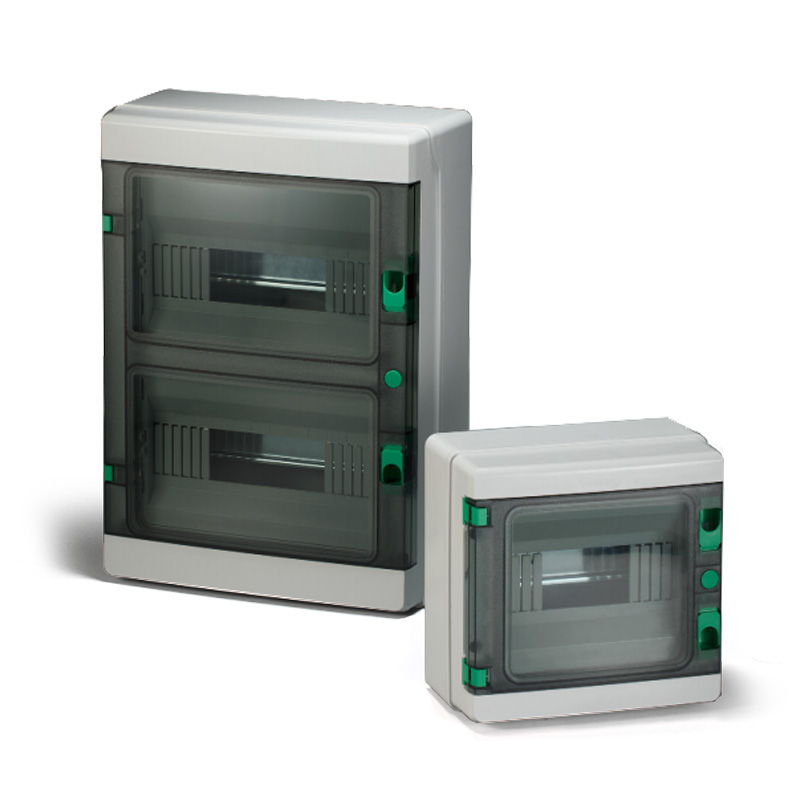
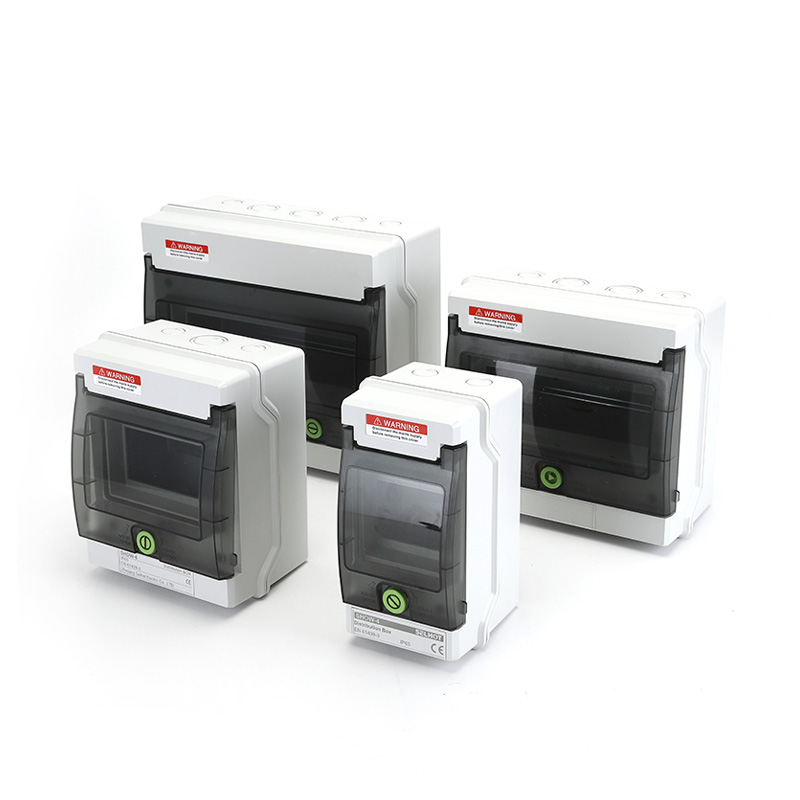
Balancing cost and risk requires a total cost of ownership (TCO) analysis. The purchase price is only one component; include logistics, installation labor, maintenance, and potential downtime costs. For example, a cheaper plastic box may need replacement sooner in a high-vibration environment, increasing long-term expense. Conversely, a premium metal box may be overkill for a climate-controlled indoor setting. Use a structured comparison matrix when evaluating quotes. Consider also the supplier's proximity and logistics reliability – a supplier with a global distribution network can offer faster lead times. Explore related enclosure products such as distribution box solutions if your project requires integrated power distribution.
Risk Mitigation Strategies
- Single-source vs. multi-source: diversify suppliers for critical components.
- Material traceability: require batch numbers and material certifications.
- Testing protocols: demand IP rating verification, dielectric strength test, and thermal cycling test.
- Contractual safeguards: include liquidated damages for late delivery or non-compliance.
Implementation Outcomes and Integration
The successful procurement of junction boxes directly affects installation speed, system reliability, and maintenance frequency. Buyers should plan for integration with existing cable management, panel layouts, and isolation switch components. Work with suppliers that provide 3D CAD files or dimensional drawings to avoid onsite rework. Another outcome is scalability: choose modular junction box systems that allow future expansion. For large projects, consider suppliers that offer commercial solution packages with pre-wired options. This reduces labor costs and standardizes quality across sites. After installation, track performance metrics such as corrosion incidents or water ingress rates to feed back into supplier scorecards.
Next-Step Actions for Buyers
To move from evaluation to purchase, take these steps:
- Define your technical requirements in a clear specification sheet.
- Send requests for quotation (RFQ) to at least three qualified suppliers, including those listed on product pages.
- Compare quotes using TCO model; consider additional services like custom labeling or assembly.
- Request samples and conduct physical validation.
- Negotiate terms: payment schedule, lead time, warranty.
- Finalize order with a purchase order that references agreed specs and certifications.
For buyers unfamiliar with the range of enclosures, exploring the junction box system overview page can help identify which product tiers match your project scale.
FAQ
What IP rating should I specify for outdoor junction boxes?
For outdoor installations exposed to rain and dust, IP66 is the minimum. For submersion risks, IP67 or IP68 is recommended. Validate with the supplier's test reports.
How can I reduce the risk of counterfeit products?
Purchase directly from certified manufacturers or authorized distributors. Request traceable batch numbers and check for holographic labels or QR codes for product authentication.
What is the typical lifespan of a plastic junction box?
Properly selected and installed polycarbonate boxes in UV-stable formulations can last 10–15 years indoors and 5–10 years outdoors. Metal boxes typically last 20+ years if corrosion is managed.
Should I standardize on one supplier for all junction boxes?
While consolidation reduces administrative overhead, maintaining a secondary qualified supplier mitigates supply disruption risks. Use a dual-source strategy for high-volume SKUs.
Conclusion
Procurement of junction boxes is a nuanced process that demands attention to specifications, supplier capabilities, and total cost of ownership. By following the checkpoints outlined above – defining requirements, evaluating suppliers on multiple reliability dimensions, and balancing cost against risk – buyers can make informed decisions that drive efficient implementation and long-term system reliability. Use this checklist as a starting point for your next procurement cycle, and always verify data with real-world testing and supplier documentation. The ultimate goal is to secure a junction box solution that meets both technical and commercial objectives.