English
 中文
中文 Русский
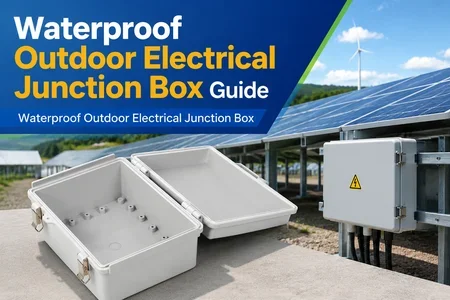
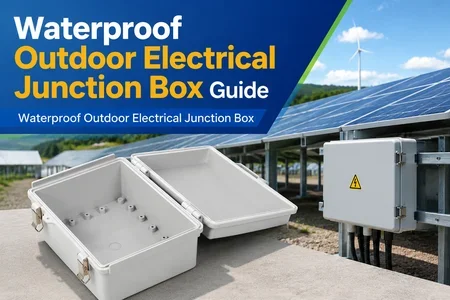
Article Overview: This guide explains the role of a Waterproof Outdoor Electrical Junction Box in protecting low-voltage connections across demanding environments. It covers enclosure materials, IP ratings, and how sectors such as renewable energy and telecommunications are reshaping performance requirements. Readers will find practical decision context, material comparisons, and implementation guidance for selecting robust outdoor electrical enclosures, along with relevant Application Industry solutions.
What Makes a Junction Box Truly “Waterproof” for Outdoor Use?
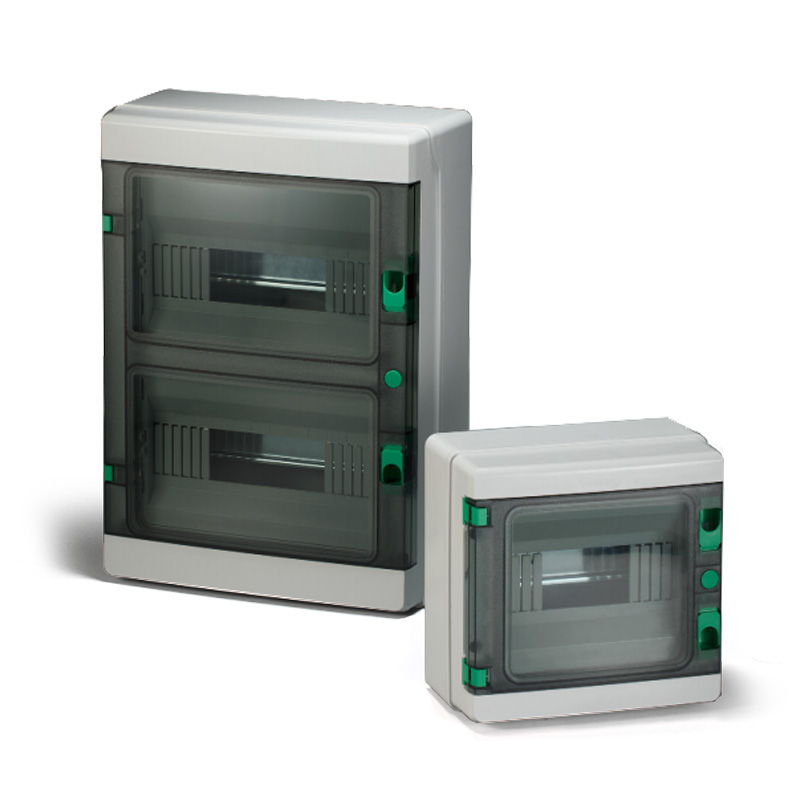
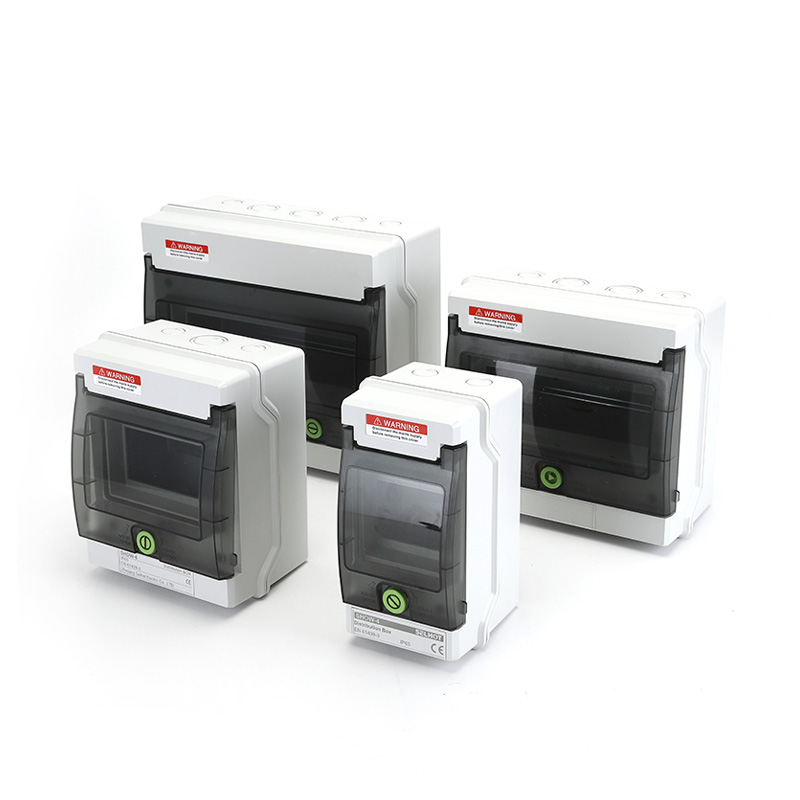
An outdoor electrical enclosure is only as reliable as its ability to keep water and dust away from live conductors. The term “waterproof” in industrial specifications is not absolute; it is defined by the Ingress Protection (IP) rating system. For most outdoor low-voltage applications, an IP66 rating has become the benchmark. An IP66-rated Waterproof Outdoor Electrical Junction Box is designed to resist powerful water jets and is fully dust-tight, making it suitable for exposed locations where rain, hose-down cleaning, or wind-driven moisture are routine.
The protection does not come from a single gasket alone. It is a system of interlocking design features. The enclosure body and lid must form a compression seal, often using a continuous polyurethane or silicone gasket. Cable entry points require compatible waterproof cable glands that maintain the enclosure’s overall IP integrity. If a single gland is omitted or incorrectly sized, the entire enclosure can fail. This is why procurement teams often evaluate the complete assembly—box, lid, hinges, and gland plates—as a single protective system rather than isolated components.
Material choice directly influences long-term waterproof performance. Thermoplastics like polycarbonate (PC) and ABS are common because they do not corrode, unlike coated steel enclosures that can develop rust at scratch points. PC, in particular, offers high impact strength and excellent UV resistance when properly stabilized. Evidence from enclosure specifications shows that modern plastic junction boxes exhibit fire resistance, insulation, corrosion resistance, and acid and alkali resistance, which are critical when enclosures are installed near coastal salt spray or in industrial zones with chemical exposure.
How Do Material and Design Choices Affect Long-Term Reliability?
Selecting the right material for a Waterproof Outdoor Electrical Junction Box is a decision that engineering managers revisit across projects. The two dominant thermoplastics—ABS and polycarbonate—each offer distinct trade-offs. The table below summarizes their typical profiles for outdoor electrical enclosures.
Enclosure Material Comparison
Option A: ABS (Acrylonitrile Butadiene Styrene)
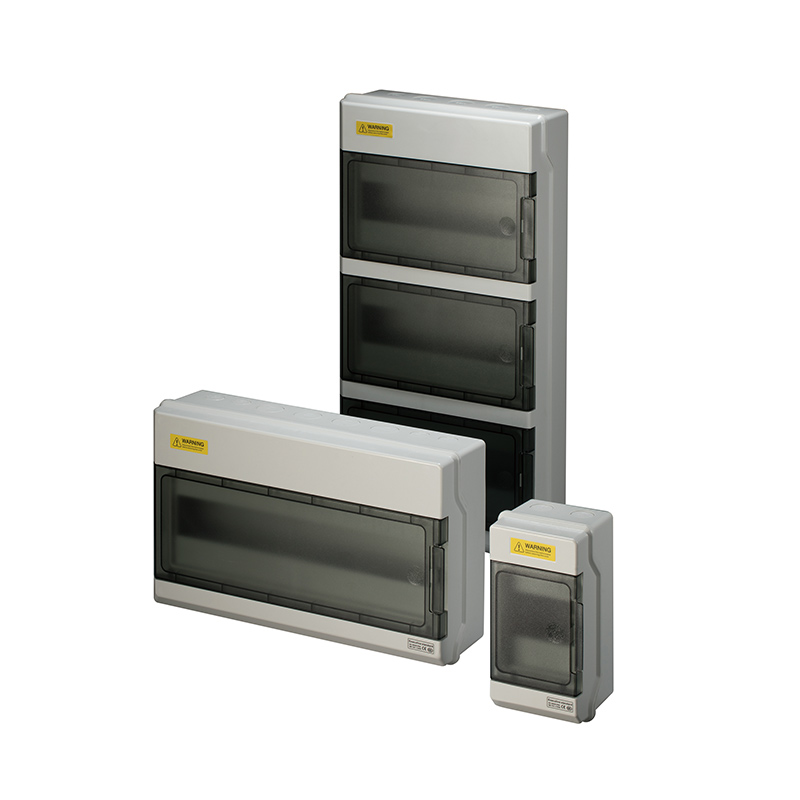
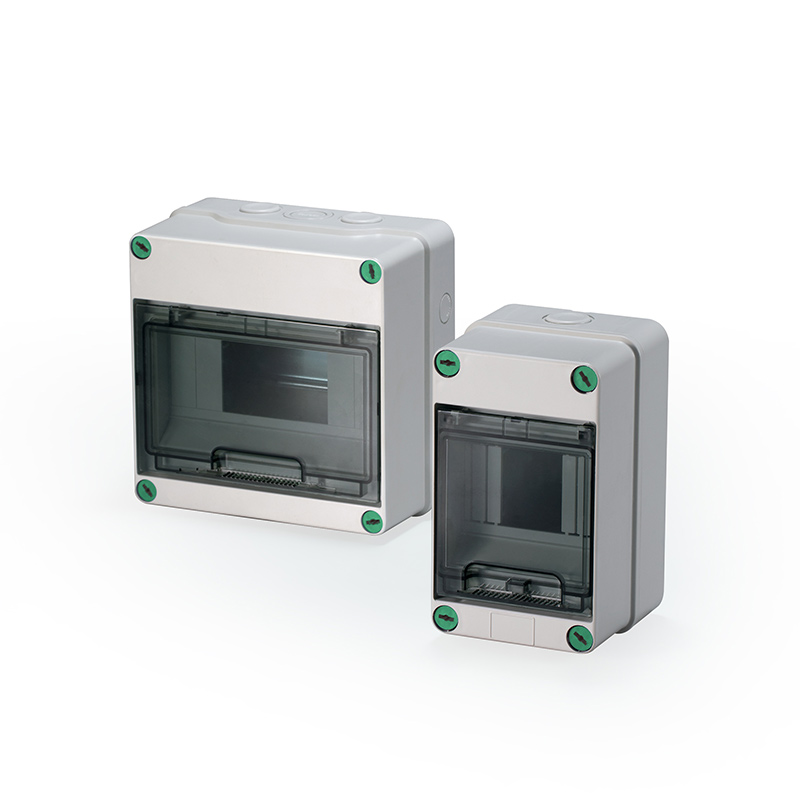
Good impact resistance and rigidity at a lower raw material cost. Standard ABS grades offer moderate UV resistance, which may be sufficient for shaded or partially protected outdoor locations. It is widely used in general-purpose Distribution Box and junction box applications where cost efficiency is a priority.
Option B: Polycarbonate (PC)
Higher impact strength and superior UV stability compared to standard ABS. PC enclosures maintain mechanical integrity across a wider temperature range and are often specified for installations with direct sunlight exposure, such as rooftop solar combiner boxes. Halogen-free, self-extinguishing PC grades also support fire-safety requirements in public infrastructure.
Buyer note: For exposed outdoor locations with high UV radiation, PC or UV-stabilized ASA blends are typically preferred. For cost-sensitive projects with some natural shading, a well-designed ABS enclosure with an IP66 rating can deliver reliable service.
Beyond raw material, the mechanical design determines how well the enclosure performs over a 10- or 15-year service life. Hinged lids with stainless steel pins and captive cover screws simplify maintenance without compromising the seal. A clamshell design allows technicians to open the lid without completely removing it, speeding up field inspections. Current product designs highlight that hinge locks crafted from stainless steel ensure corrosion resistance and durability, and that enclosures are built to withstand impact, oxidation, and UV radiation. These are engineering requirements for any enclosure deployed in an unprotected outdoor setting.
Wall thickness and internal mounting bosses also matter. Thicker walls improve mechanical rigidity and provide deeper thread engagement for cable glands and mounting feet. Internal DIN rail mounts or backplates must be securely anchored so that the weight of installed terminals and breakers does not deform the enclosure over time.
Why Are New Energy and Telecom Sectors Driving Higher Enclosure Standards?
The rapid deployment of photovoltaic (PV) systems, electric vehicle (EV) charging stations, and 5G base stations is changing the specification landscape for outdoor electrical enclosures. These installations share a common requirement: they place sensitive electrical connections in fully exposed outdoor environments, often with minimal shelter.
In a PV array, DC combiner boxes and string-level junction boxes sit directly beneath solar panels, enduring full sun exposure, thermal cycling, and occasional driving rain. A Waterproof Outdoor Electrical Junction Box in this context must maintain its IP66 seal despite daily temperature swings that can exceed 40°C. The enclosure material must resist UV degradation over the 20- to 25-year expected life of the solar installation. This has pushed many developers toward PC or ASA-grade enclosures with validated UV stabilization packages.
EV charging infrastructure presents a different challenge. Outdoor charging posts and wallboxes contain power electronics, metering, and residual current devices that must stay dry even when users operate connectors in wet conditions. The junction boxes that house terminal connections and cable splices inside these charging stations need to combine high insulation values with impact resistance, as they may be located in public parking areas where accidental knocks are possible.
5G base station deployments add another layer of complexity. Remote radio units (RRUs) and baseband units are often mounted on rooftops, poles, or street furniture. The power distribution and fiber splice enclosures co-located with this equipment must be compact, lightweight, and resistant to both water ingress and electromagnetic interference. While the junction box itself does not provide EMI shielding, its mechanical design must accommodate shielded cable glands and maintain the overall grounding scheme. The trend toward smaller, higher-density enclosures is visible across Application Industry segments that rely on distributed outdoor electronics.
These three sectors—solar, EV charging, and 5G—are converging on a common set of enclosure requirements: IP66 or better, UV-stabilized thermoplastics, wide operating temperature ranges, and tool-free or quick-access lids for field service. Technical buyers evaluating enclosures for these applications should ask suppliers for accelerated aging test data (such as Xenon-arc UV exposure results) and thermal cycling test reports, not just IP certificates.
How Should You Evaluate a Waterproof Outdoor Electrical Junction Box?
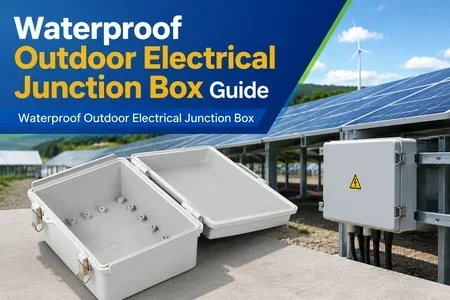
When engineering teams and procurement managers compare enclosure options, a structured evaluation prevents overlooking critical details. The following checklist covers the specifications that most directly influence field performance.
- IP rating and test standard: Confirm that the IP66 test was performed according to IEC 60529. An IP66 rating means the enclosure is dust-tight (first digit 6) and protected against powerful water jets (second digit 6). Some manufacturers also test to IP67 or IP68 for temporary submersion, but IP66 is the minimum for exposed outdoor use.
- Material grade and UV stabilization: Request the exact polymer grade (e.g., PC/ABS blend, UV-stabilized polycarbonate) and relevant UL 746C f1 outdoor suitability ratings if the enclosure is used in the North American market. This provides an independent verification of UV and water exposure performance.
- Operating temperature range: Look for a stated range, such as -25°C to +80°C for standard PC enclosures. For solar or telecom applications in extreme climates, verify that the enclosure maintains impact strength at the low end and does not soften excessively at the high end.
- Gasket material and compression: Silicone gaskets offer a wide service temperature range and good compression set resistance. Polyurethane (PUR) gaskets are also common. The gasket should be mechanically retained in a groove, not simply glued, to ensure consistent sealing over repeated lid openings.
- Cable entry and gland compatibility: Check the number, size, and position of knockouts or pre-molded entry points. Ensure that standard metric or PG-threaded cable glands can be fitted without interfering with internal components or the lid closure.
- Flammability rating: For installations inside public buildings or near critical infrastructure, a UL 94 V-0 or equivalent flammability rating on the enclosure material is often mandatory. Halogen-free materials are increasingly specified for tunnel, metro, and data center applications to reduce toxic smoke risk in a fire.
Beyond the datasheet, physical sample evaluation is invaluable. A simple thermal cycling test—alternating between a freezer and an oven while checking for lid warping or gasket compression loss—can reveal weaknesses that a datasheet cannot capture. For high-volume programs, many OEMs and system integrators invest in their own ingress protection verification using IP test chambers before finalizing an enclosure supplier.
Implementation Workflow: From Specification to Field Deployment
Moving from a specification sheet to a fully deployed outdoor electrical installation involves a sequence of engineering and procurement steps. The flow below outlines a typical process for integrating a Waterproof Outdoor Electrical Junction Box into a new project.
Step 1: Define Functional Requirements
Start by listing the electrical components that will be housed: terminal blocks, DC isolators, surge protective devices, or small controllers. Calculate the total heat dissipation and required internal volume. Determine the number and diameter of incoming and outgoing cables. This step produces a clear set of dimensional and thermal constraints that directly filter the enclosure shortlist.
Step 2: Select Enclosure Platform and Material
Based on the environmental conditions—UV exposure, temperature extremes, chemical presence—narrow the material choice to ABS, PC, or a PC/ABS blend. At this stage, confirm that the chosen enclosure family offers the required IP rating and has compatible accessories such as mounting plates, DIN rails, and cable glands. Request material datasheets and any available third-party test reports.
Step 3: Prototype and Verify
Order a small batch of sample enclosures and populate them with the intended internal components. Conduct a fit check to ensure adequate clearance for wiring and heat dissipation. Perform a basic water spray test (or full IP66 verification if facilities are available) and inspect for any signs of moisture ingress. This is also the moment to validate the lid opening and closing ergonomics for field technicians.
Step 4: Procurement and Incoming Quality Control
Once the enclosure is approved, establish an incoming inspection protocol. Check dimensional tolerances, gasket seating, and surface finish on each batch. For critical projects, consider periodic third-party IP verification on production samples. Align with the supplier on lot traceability so that any material or process change is communicated before it affects deliveries.
This structured approach reduces the risk of discovering enclosure deficiencies only after field installation, when remediation costs are highest. It also creates a documented qualification record that is valuable for ISO 9001 or similar quality management system audits.
FAQ
What is the difference between IP65 and IP66 for outdoor junction boxes?
IP65 enclosures are dust-tight and protected against low-pressure water jets from any direction. IP66 enclosures are also dust-tight but are tested against powerful water jets. For outdoor locations exposed to heavy rain, wind-driven spray, or hose-down cleaning, IP66 provides a higher margin of protection.
Can a plastic junction box be used instead of a metal one outdoors?
Yes, and in many outdoor low-voltage applications, high-quality thermoplastics such as polycarbonate or UV-stabilized ABS are preferred. Plastic enclosures do not corrode, are lighter, and provide inherent electrical insulation. Metal enclosures may still be specified where higher mechanical strength or EMI shielding is required.
How often should outdoor electrical junction boxes be inspected?
Inspection intervals depend on the operating environment and local electrical codes, but an annual visual check is a common minimum. Inspectors should look for lid warping, gasket cracking, signs of water ingress, and UV degradation such as surface chalking or discoloration. Enclosures in harsh environments may require semi-annual checks.
Is UV resistance guaranteed for all outdoor-rated plastic enclosures?
No. UV resistance depends on the specific polymer formulation and any added stabilizers. An “outdoor” or “IP66” label alone does not guarantee long-term UV stability. Buyers should request material datasheets, UL f1 ratings, or evidence of accelerated UV aging tests to confirm the enclosure will not become brittle or discolored after years of sun exposure.
Conclusion
A Waterproof Outdoor Electrical Junction Box is a foundational component in any outdoor low-voltage installation. Its selection goes far beyond checking an IP rating on a datasheet. Material science, gasket design, UV stabilization, and mechanical construction all determine whether the enclosure will protect sensitive connections for a decade or more. As renewable energy, EV charging, and 5G networks expand the footprint of outdoor electronics, the engineering demands placed on these enclosures continue to rise. By applying a structured evaluation process—and by treating the enclosure as a complete system rather than a commodity item—technical buyers and engineering managers can reduce field failures, simplify maintenance, and extend the service life of their outdoor electrical infrastructure.