English
 中文
中文 Русский
Article Overview: This article explains the principles of sealing in industrial plugs and sockets, focusing on IP protection ratings (IP44, IP65, IP67) and how they ensure reliable operation in dusty, wet, or harsh environments. It covers design considerations, material choices, testing standards, and practical implications for procurement and engineering teams. By understanding these sealing mechanisms, technical buyers and operations leaders can make informed decisions for their applications.
Understanding IP Ratings: The Language of Ingress Protection
The Ingress Protection (IP) rating system, defined by international standard IEC 60529, provides a clear framework for classifying the degree of protection provided by enclosures of electrical equipment against solid objects, dust, accidental contact, and moisture. For industrial plugs and sockets, the IP rating is a critical specification that directly correlates with sealing performance. The rating consists of two digits: the first indicates protection against solids, the second against liquids. A higher number signifies better protection.
For example, an IP44 rating means the connector is protected against solid objects larger than 1 mm (such as tools or small wires) and against splashing water from any direction. An IP65 rating offers complete dust-tight protection (6) and protection against low-pressure water jets from any direction (5). IP67 goes further by adding protection against immersion in water up to 1 meter depth for 30 minutes. These ratings are not arbitrary; they reflect specific sealing designs and testing protocols.
When selecting industrial plugs and sockets for a facility, understanding the IP rating is the first step toward ensuring that the electrical connection can withstand the environmental challenges of the application. For instance, a food processing plant with frequent wash-downs would require at least IP65, while an outdoor construction site might need IP67 for temporary submersion protection.
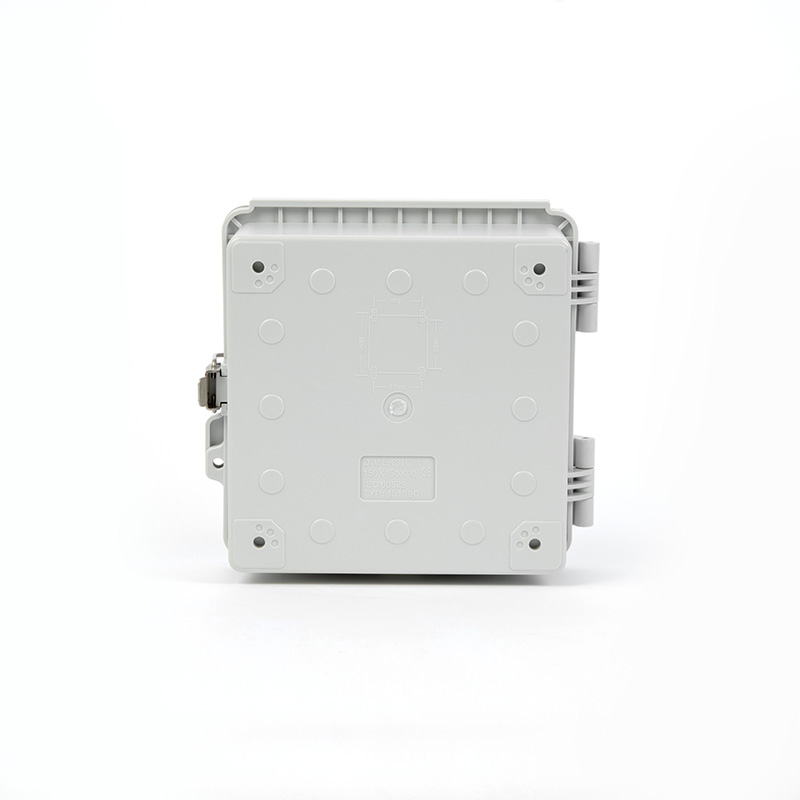
Sealing Design Principles in Industrial Connectors
The sealing mechanism in an industrial plug or socket is not a single component but a system of interdependent features. The most common approach uses elastomeric gaskets and O-rings compressed between mating surfaces. These seals are typically made from silicone, nitrile rubber (NBR), or EPDM, each offering different resistance to temperature, chemicals, and aging. For example, silicone gaskets perform well over a wide temperature range but may have lower tear strength, while NBR provides excellent oil resistance.
Another critical design element is the cable gland entry point. The seal around the cable must also be watertight and dust-tight, often achieved through a compression nut and a conical sealing ring. The housing material itself contributes to sealing integrity; most industrial plugs and sockets use high-impact polycarbonate or nylon, which are dimensionally stable and resistant to deformation under thermal stress. A matte material finish can be part of a robust sealing strategy, as it reduces surface porosity and improves gasket adhesion.
Manufacturers must also consider the mechanical interlocking of connectors—some designs incorporate locking mechanisms that ensure proper seal compression. Industrial plugs and sockets from reputable suppliers undergo rigorous testing to confirm that sealing integrity is maintained under vibration, thermal cycling, and repeated mating cycles. For procurement teams, it is crucial to verify that the sealing design has been validated by third-party testing, not just claimed on a datasheet.
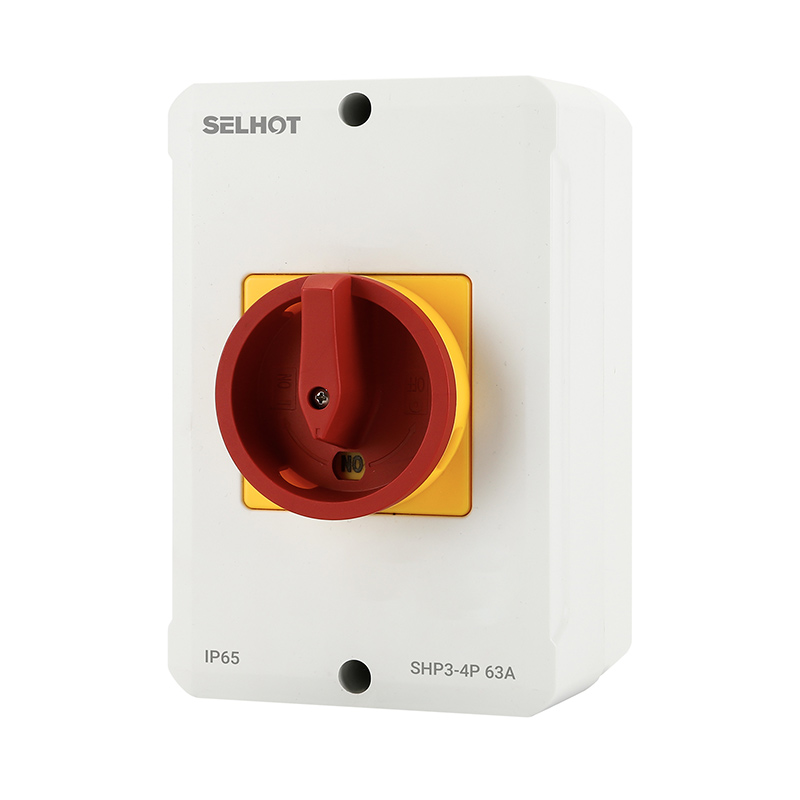
Comparing IP44, IP65, and IP67: What Each Rating Means in Practice
IP44 is common for indoor industrial environments where there is minimal dust and occasional splashing, such as in warehouses or light manufacturing areas. The sealing is relatively simple, often involving a basic gasket around the plug face and a snap-fit enclosure. It is cost-effective but not suitable for particulate-laden or wet conditions.
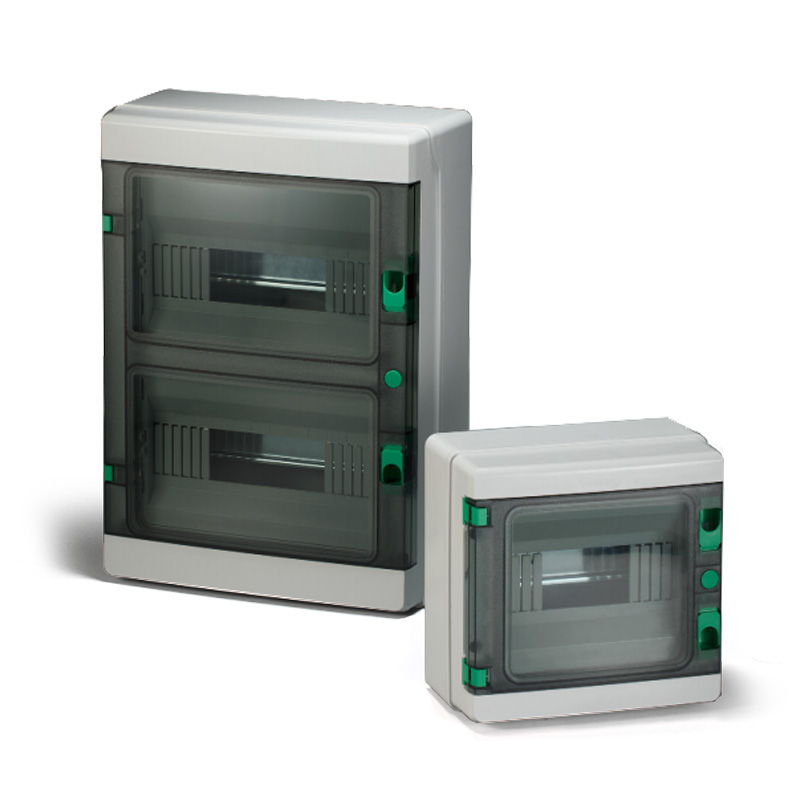
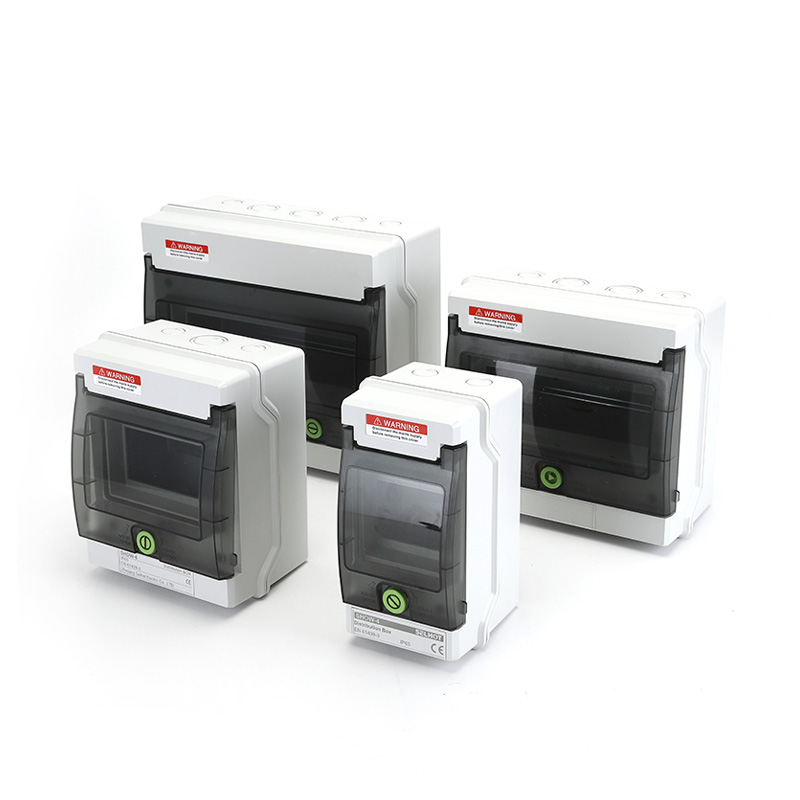
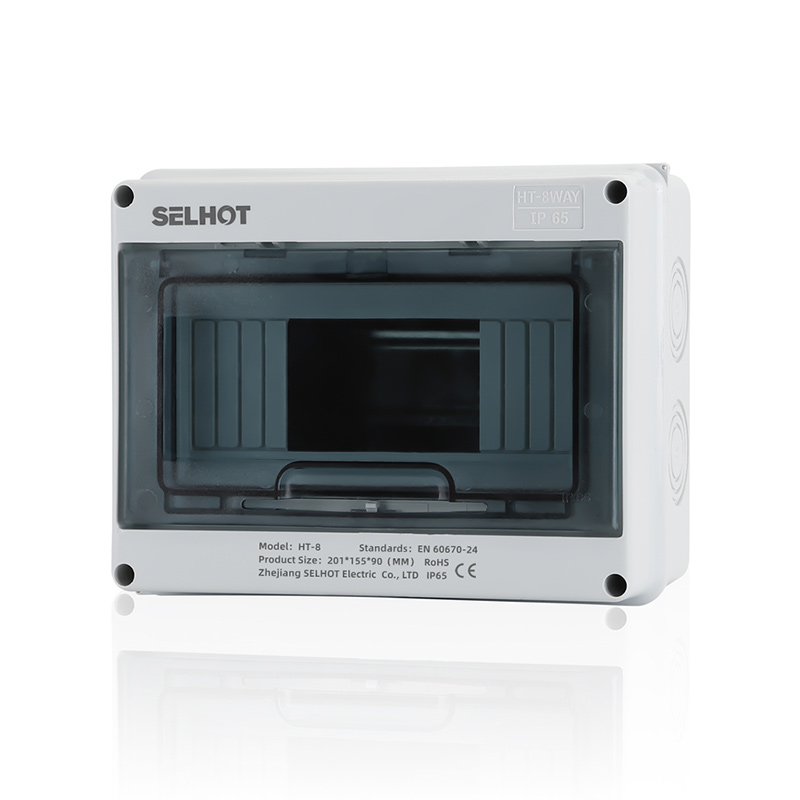
IP65 represents a significant step up in protection. The “6” indicates dust-tight construction, meaning no ingress of dust is permitted in the test. The “5” means protection against low-pressure water jets from any direction. This rating is typically achieved with a double-gasket system and more robust compression. IP65 connectors are ideal for outdoor applications, wash-down areas, and moderately dusty environments. For example, a distribution box with IP65 rating can be installed in a food processing plant where hose-down cleaning is routine.
IP67 adds temporary immersion resistance. The connector must remain watertight when submerged in 1 meter of water for 30 minutes. This requires even more precise sealing, often with an additional internal barrier and positive-pressure testing. IP67 is necessary for applications like mining, marine environments, or outdoor temporary power where flooding is a risk. It is important to note that IP67 does not imply suitability for long-term submersion or high-pressure water jets (that would be IP69K). The sealing of an IP67 connector often uses a thicker O-ring and a more secure coupling mechanism to prevent water ingress during immersion.
For technical buyers, the practical implication is that choosing a higher IP rating often comes with trade-offs in cost, size, and ease of mating. IP67 connectors are bulkier and require more force to engage, which can affect usability in frequent connection/disconnection scenarios. Therefore, the rating should match the actual environmental exposure, not over-specify unnecessarily.
Material Selection and Its Impact on Sealing Performance
The materials used in the sealing system must be carefully chosen to withstand the specific environmental conditions, including temperature extremes, UV exposure, chemical contact, and mechanical wear. Housing materials commonly include polyamide (nylon) or polycarbonate, both of which offer good dimensional stability and impact resistance. For enhanced sealing, gaskets are often overmolded or inserted into grooves to prevent displacement.
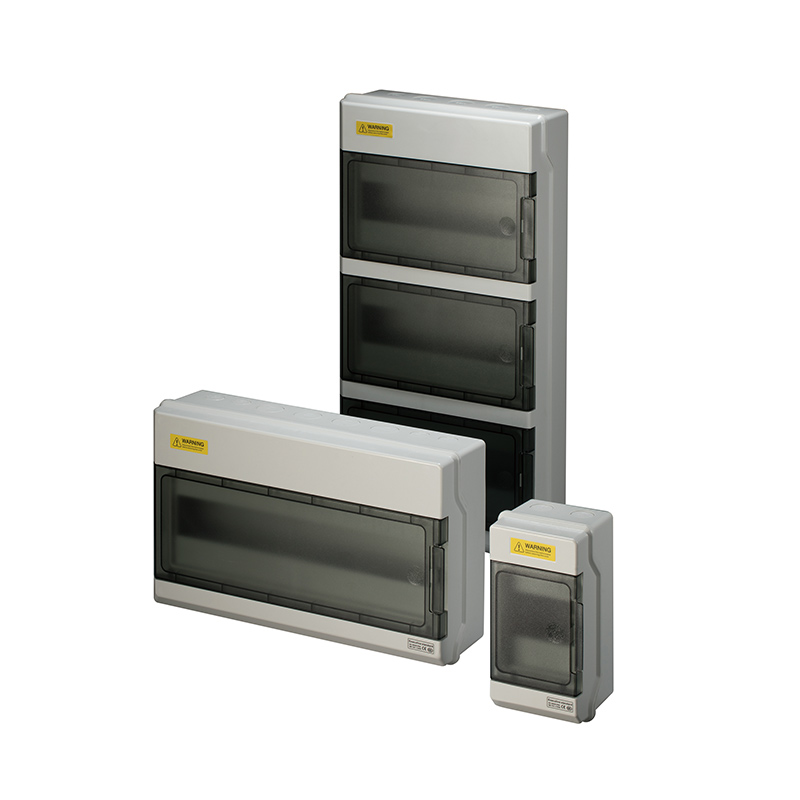
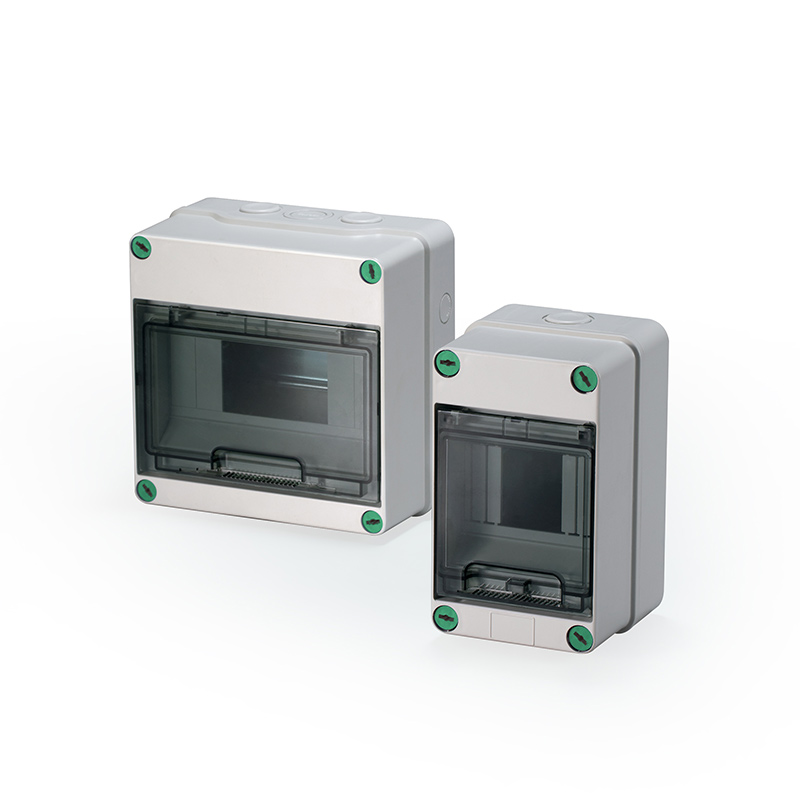
For lower IP ratings, a simple TPE gasket may suffice, while IP67 designs often use silicone or FKM (fluoroelastomer) for superior resilience. The IP65 weatherproof isolation switch housing is often made of matte material, which reduces glare and can improve gasket adhesion by providing a slightly textured surface.
Quality control processes are vital. Manufacturers should test sealing at different temperature extremes and after multiple mating cycles. Quality control protocols that include leak testing and material compliance checks ensure that the sealing performance is consistent across production batches. For purchasing managers, requesting material certifications and test reports is a prudent step to avoid field failures.
Installation and Maintenance Considerations for Sealed Connectors
Even the best sealing design can be compromised by poor installation. Critical factors include proper torque on compression nuts, correct alignment of the gasket, and avoiding sharp bends at the cable entry. Many field failures are traced back to overtightening or undertightening the cable gland, which deforms the seal or leaves gaps. Training installation crews on the specific requirements for IP65 and IP67 connectors is essential.
Maintenance also plays a role. Over time, gaskets may harden, crack, or take a compression set, especially in hot environments. Regular inspection of seals and replacement of worn components is recommended. Some connectors allow for gasket replacement without replacing the entire unit. In applications where connectors are frequently disconnected, the mating cycles can wear the seal; thus, selecting a connector with replaceable seals can extend service life. For systems integrated with isolation switches, the sealing of the switch housing must also be maintained to ensure overall system integrity.
From an operations perspective, documenting the IP rating and sealing details of every connector in the facility helps streamline troubleshooting and replacement. A standardized approach to connector selection based on IP rating can reduce inventory complexity and ensure that all installed connectors meet or exceed the minimum environmental protection required.
FAQ
What is the difference between IP65 and IP67?
IP65 provides dust-tight protection and resistance to low-pressure water jets. IP67 adds protection against temporary immersion in water up to 1 meter for 30 minutes. IP67 is necessary for environments where flooding or submersion is possible, while IP65 is sufficient for most outdoor wash-down or rain-exposed applications.
Can an IP44 plug be used outdoors?
IP44 offers splash resistance but is not dust-tight. In dusty or heavy rain conditions, ingress may occur. For most outdoor industrial applications, IP65 or higher is recommended.
How do I verify the IP rating of a plug or socket?
Look for third-party test certification from an accredited laboratory. The IP rating should be clearly marked on the product. For critical applications, request the test report from the manufacturer.
What materials are used for seals in industrial connectors?
Common seal materials include silicone, nitrile rubber (NBR), EPDM, and fluoroelastomers. The choice depends on temperature range, chemical exposure, and mechanical requirements.
Does a higher IP rating always mean better?
Not necessarily. Higher IP ratings often make connectors larger, heavier, and more expensive, and can reduce ease of mating. Select the rating that matches the actual environmental exposure to balance performance and cost.
Conclusion
Sealing is a fundamental aspect of industrial plug and socket design, directly linked to IP protection ratings that define resistance to dust and moisture. For engineering managers and technical buyers, understanding the differences between IP44, IP65, and IP67—and the sealing mechanisms behind them—enables more informed procurement decisions. Key considerations include material selection, installation practices, and maintenance regimes. By aligning the IP rating with the specific environmental challenges of the application, organizations can improve reliability, reduce downtime, and extend equipment life. For further exploration of related products, refer to the industrial plugs and sockets section or learn about complementary solutions like junction boxes that also rely on robust sealing for harsh environments.
Related site pages: Home.