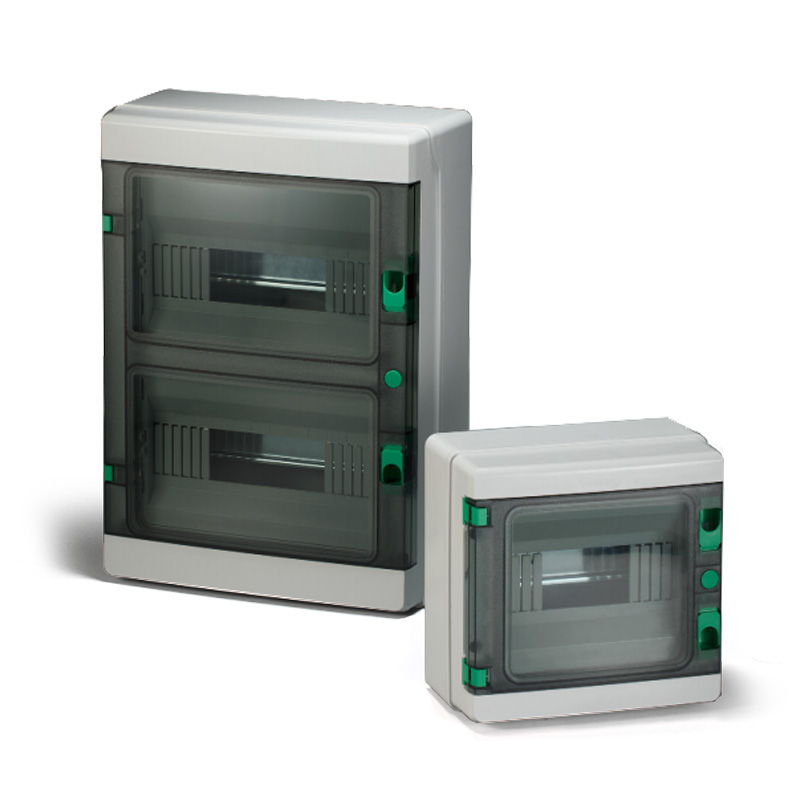
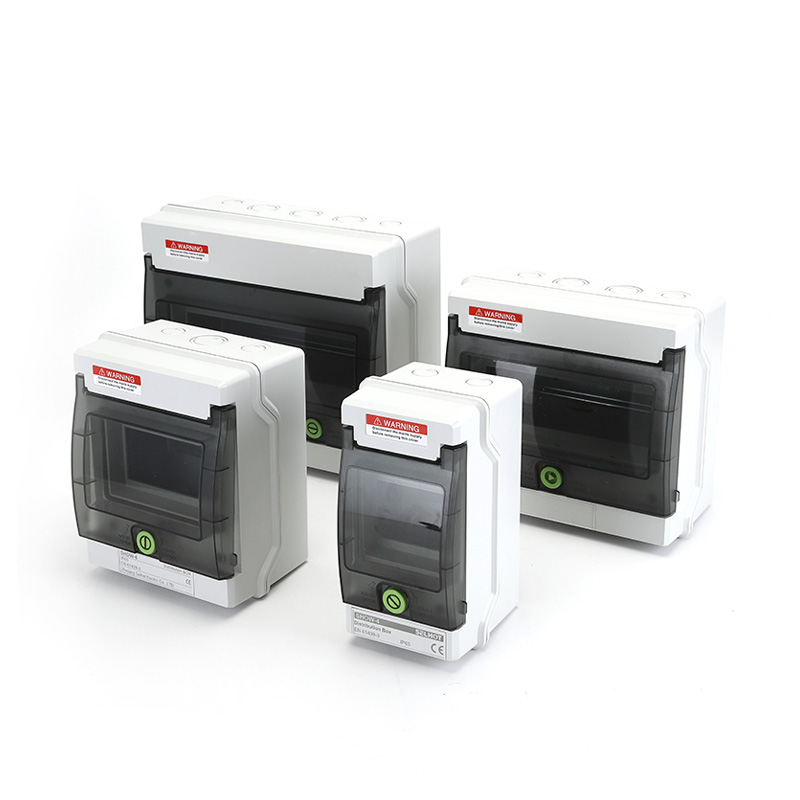
How to Choose a House Distribution Box?

Publish Time:2025-12-15 Author: Visit:7

Choosing the right house distribution box, often called an electrical panel or breaker box, is a critical decision for the safety, efficiency, and future expansion of your home's electrical system. This central hub distributes power to all circuits and protects them from overloads. Here’s a clear, structured guide to help you make an informed choice.


1. What is a House Distribution Box?  
 

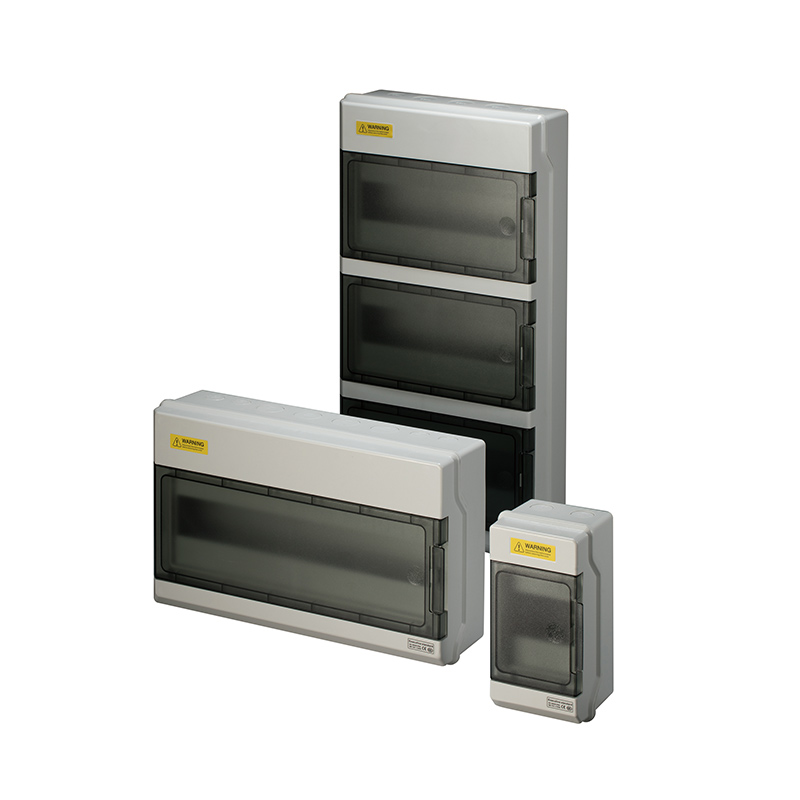
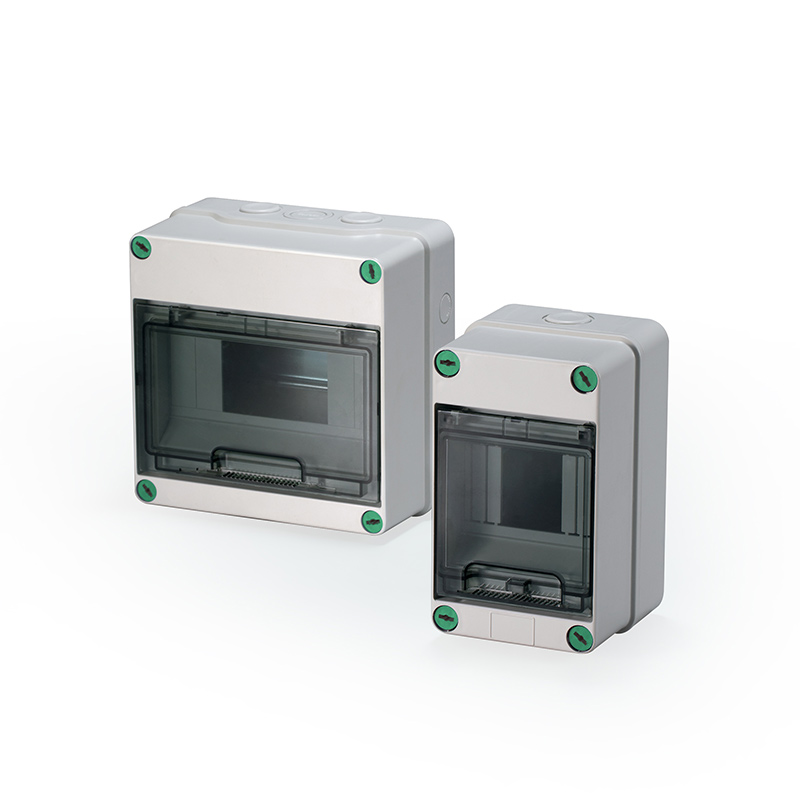
A House Distribution Box is the main control point for your home's electrical system. It receives power from the utility company and safely distributes it through various circuits to outlets, lights, and appliances. Its core components are circuit breakers or fuses, which act as automatic switches that trip to cut off power during an overload or short circuit, preventing fires and damage.


2. Determine the Correct Electrical Load & Size (Amperage)  
 

The size of a Distribution Box is measured in amperes (Amps), indicating the total amount of electricity it can safely handle.
 

  • Modern Standard: For an average-sized home today,   200-amp service is the standard recommendation. It comfortably supports contemporary appliance loads, HVAC systems, and multiple electronic devices.
  • Older/Smaller Homes: You might find 100-amp or 60-amp panels. While these may suffice for very small homes with minimal electrical needs, they are often inadequate for modern living.
  • Larger Homes/High Demand:  Homes with extensive appliances, electric vehicle chargers, or large workshops may require a   400-amp service, which might involve multiple panels.
  • Tip:   Consult a licensed electrician to calculate your home's total and future electrical load. Choosing a panel with spare capacity (empty breaker slots) is crucial for future upgrades.
     

3. Choose the Type: Main Breaker Panel vs. Main Lug Panel  

  • Main Breaker Panel: This is the most common type for House Distribution Boxes. It features a single main breaker that disconnects all power to the branch circuits and sets the amperage capacity for the entire panel. This main breaker provides an added layer of protection at the source.
     
  • Main Lug Panel: These panels do not have a main disconnect breaker. They are often used as sub-panels, fed from a main panel elsewhere. The amperage is determined by the breaker feeding it in the main panel. They are not typically used as the primary service entrance for a whole house unless a main disconnect is located separately.
     

4. Prioritize Safety Features & Quality  

Not all distribution boxes are created equal. Invest in a panel from a reputable manufacturer (e.g., SelHot Siemens, Eaton).

  • AFCI/GFCI Compatibility: Modern codes require Arc-Fault Circuit Interrupters (AFCIs) and Ground-Fault Circuit Interrupters (GFCIs) for enhanced protection against electrical fires and shocks. Ensure the panel is designed to work seamlessly with these modern breakers.
     
  • Surge Protection: Consider a panel with integrated whole-house surge protection or a dedicated space for a surge-protective device. This safeguards expensive electronics from voltage spikes.
     
  • Build Quality: Look for robust construction, clear labeling, and a user-friendly layout. The bus bars (which conduct electricity inside the panel) should be thick and well-made.
     

5. Consider Future Expansion & Number of Circuits  

Count the number of breaker slots in the panel. Each circuit (for kitchens, bathrooms, bedrooms, etc.) requires its own breaker.

Rule of Thumb: Choose a panel with more slots than you currently need. If you plan to add a home office, workshop, solar panels, or an EV charger, you will need extra spaces for new circuits. A 200-amp panel with 40 slots offers more flexibility than one with only 20.
 

6. Installation: The Non-Negotiable Role of a Professional  

Installing or replacing a House Distribution Box is NOT a DIY project.   It involves working with extremely high-voltage utility connections and must comply with local electrical codes and permits.

Always hire a licensed and insured electrician. They will ensure:

  • Correct sizing and installation.
  • Proper grounding and bonding.
  • Compliance with the National Electrical Code (NEC) and local regulations.
  • Safe connection to the utility service.
     

Conclusion:

To choose the best House Distribution Box  , systematically go through this checklist:

1. Calculate Needed Amperage: Opt for at least   200-amp service for a modern home.

2. Select the Type:   A Main Breaker Panel is standard for primary home use.

3. Choose a Reputable Brand: Don't compromise on quality for a critical safety component.

4. Ensure Future Capacity: Pick a panel with ample empty slots for future circuits.

5. Plan for Safety Features: Verify compatibility with AFCIs, GFCIs, and surge protection.

6. Hire a Qualified Electrician: This is essential for safe and code-compliant installation.

By making a careful, informed choice about your  House Distribution Box, you invest in the long-term safety, functionality, and adaptability of your home’s electrical infrastructure.


GET IN TOUCH NOW
Captcha Code
×

GET A QUOTE

We value your privacy
We use cookies to provide you with a better online experience, analyse and measure website usage, and assist in our marketing efforts.
Accept All