English
 中文
中文 Русский
Aug 14, 2026

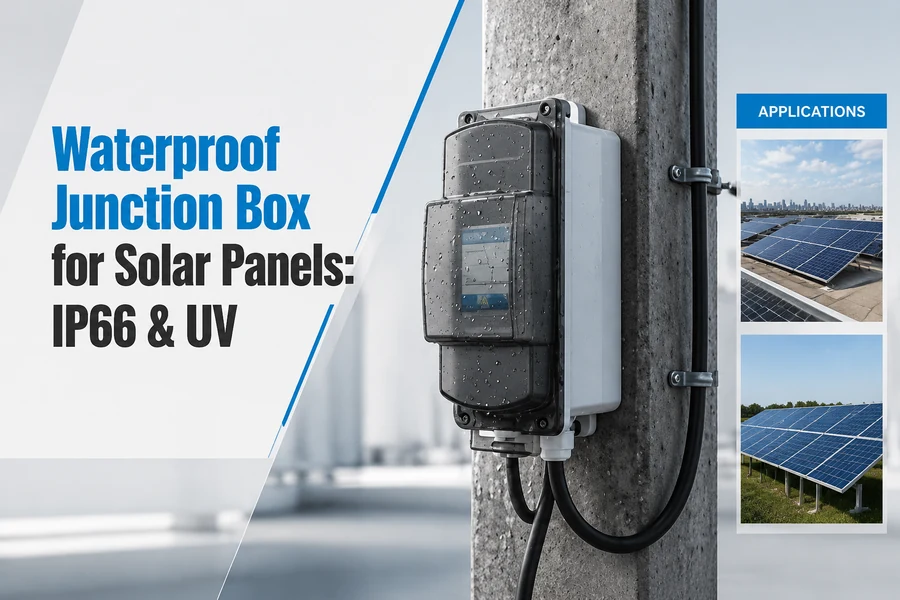
A Photovoltaic (PV) distribution box, often called a PV combiner box, is a critical component in any solar power system. It acts as the central nervous system, combining the electrical output from multiple solar panel strings, providing protection, and enabling monitoring and disconnection. Choosing the right one ensures safety, reliability, and optimal performance for your solar investment. Here’s a structured guide to help you make an informed decision.
First, know what a PV distribution box does. Its primary roles are:
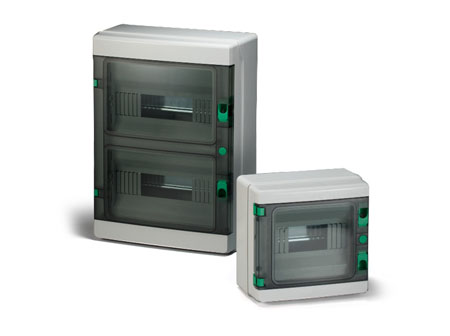
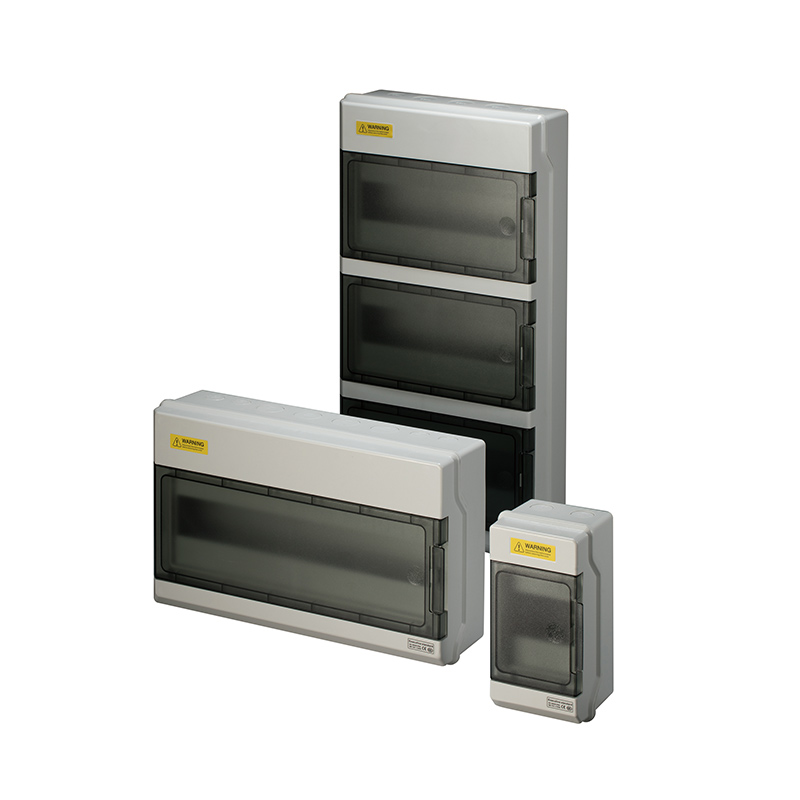
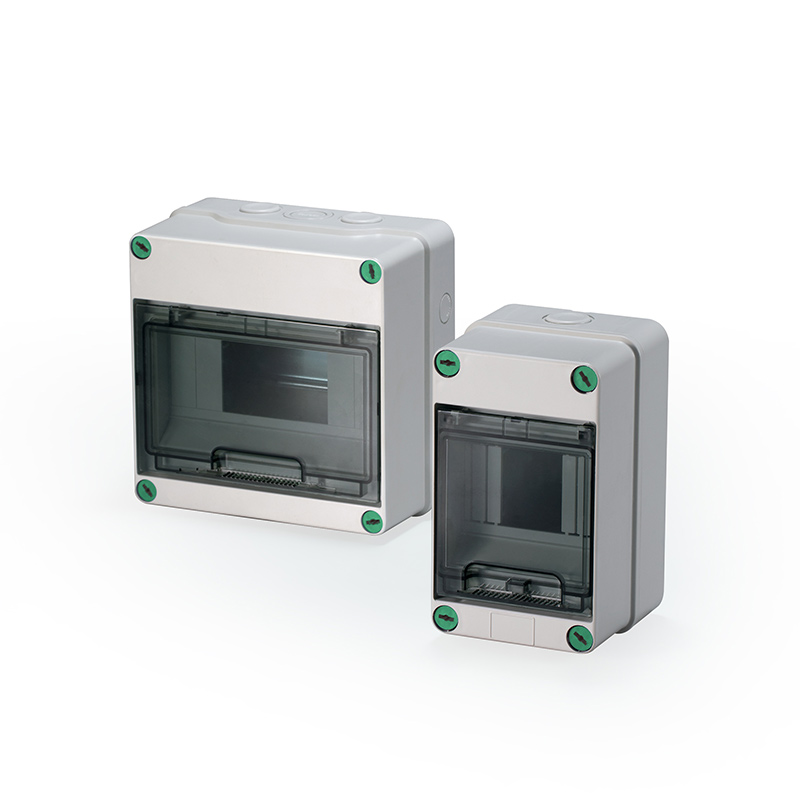
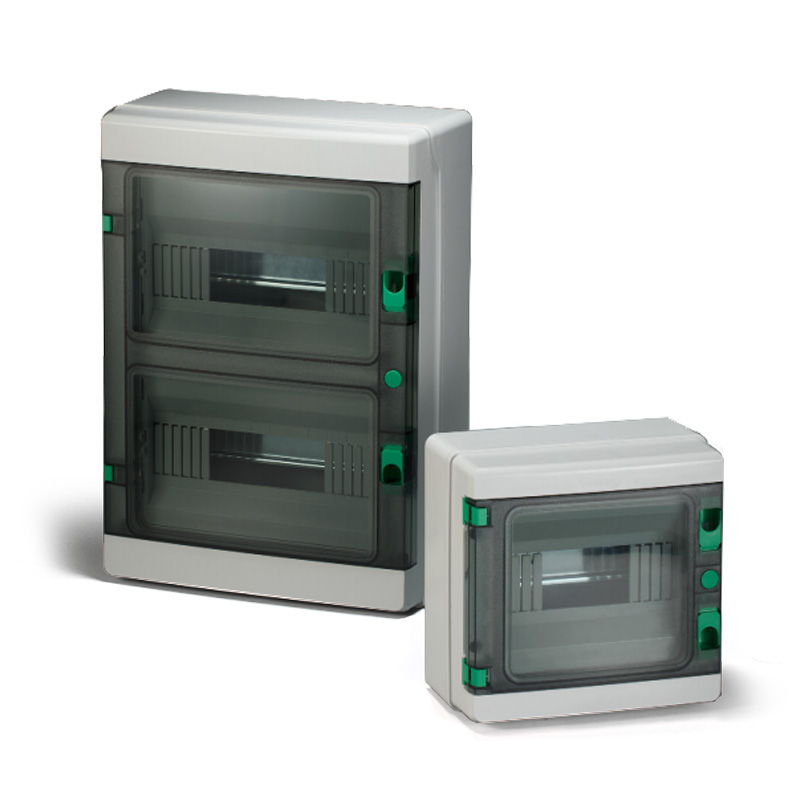
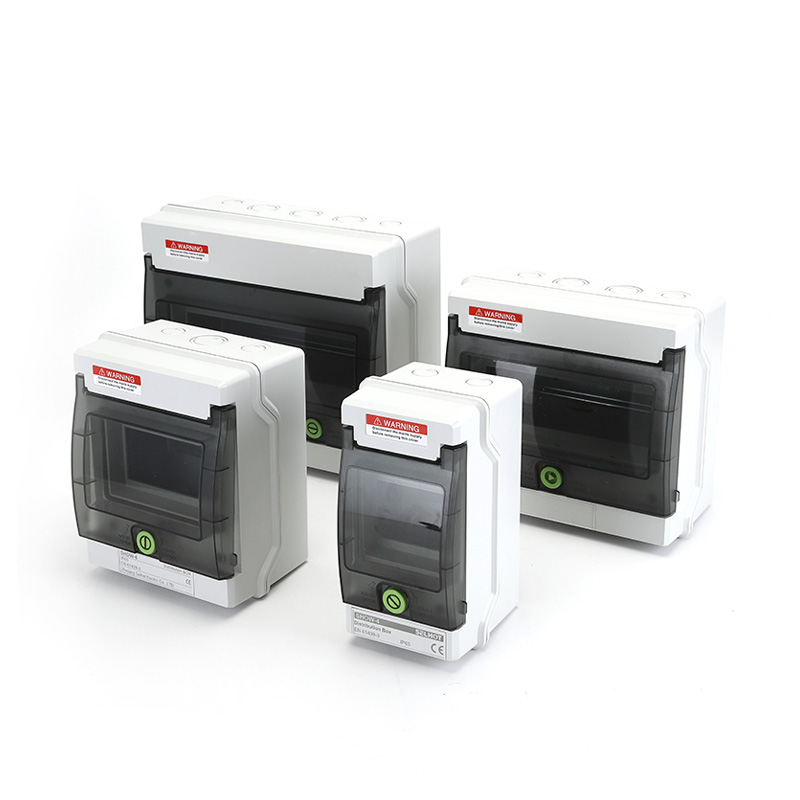
This is non-negotiable. Ensure the PV junction box complies with the key electrical standards and safety certifications in your region (e.g., UL/IEC standards, TÜV, CE). The enclosure should have a suitable Ingress Protection (IP) rating (like IP65 or higher) for durability against dust and water, especially for outdoor installations.
Match the box's specifications to your system's size.
Maximum System Voltage: Must exceed your array's maximum open-circuit voltage (Voc), especially considering low-temperature corrections.
Current Rating: The box's main busbar and components should handle the combined current of all input strings and the output current.
Choose a solar combiner box with enough inputs for your current array, plus 20-25% extra spare ways for potential future expansion.
Fuses vs. Breakers: String fuses are common and cost-effective for overcurrent protection. DC circuit breakers offer the added convenience of a switching function. Opt for high-quality, DC-rated components from reputable brands.
Surge Protective Device (SPD): Ensure it has an adequate discharge current rating (e.g., Imax ≥ 20kA) and voltage protection level suitable for your system. Check if it has a remote signaling feature for failure alerts.
The PV distribution cabinet enclosure should be robust. For outdoor use, powder-coated steel offers excellent durability and shielding. Aluminum alloy is corrosion-resistant and lighter. For indoor use, high-grade plastic (PP/PC) can be a lighter and cost-effective option.
For commercial or complex residential systems, consider a smart PV combiner box. Features like string-level monitoring (using current sensors or optimizers) can help quickly identify underperforming strings, dust buildup, or faults, maximizing energy yield and simplifying O&M.
Look for a box with a clear layout, ample wiring space, and features like DIN rails for easy component mounting, cable glands, and a clear wiring diagram. Accessibility for future maintenance or fuse replacement is crucial.
Basic Fuse Combiner Box: Provides fundamental string combining, fusing, and surge protection. Ideal for standard residential systems.
Breaker-Type Combiner Box: Utilizes DC breakers instead of fuses, enabling easier disconnection and reset.
Monitoring Combiner Box: Integrates meters, sensors, and communication modules (like RS485, Ethernet) for data logging and remote monitoring.
Hybrid Boxes: May integrate functions like DC disconnects for inverters, creating a more compact system layout.
Purchase from a reputable supplier or manufacturer known for quality and support. A reliable warranty (often 5-10 years for the enclosure, 1-2 years for internal components) is a strong indicator of product confidence and ensures long-term support.
Selecting a good PV distribution box is about balancing safety, functionality, and future needs. Don't just choose the cheapest option. Assess your system's specifications, consider the installation environment, and invest in a robust, certified, and appropriately sized PV power distribution unit. A well-chosen box is a cornerstone of a safe, efficient, and trouble-free solar energy system for decades to come.