English
 中文
中文 Русский
Aug 14, 2026

Article Overview: Discover how industrial connectors withstand millions of plugging cycles in printing lines. Learn about wear resistance, vibration, and mechanical interlocking for reliable power supply.
Article Overview: Printing lines rely on continuous material supply and frequent machine changeovers, which demand connectors that can withstand millions of plugging and unplugging cycles. This article explains the engineering behind high-cycle industrial connectors, covering wear mechanisms, vibration resistance, safety interlocking, and procurement criteria. It is written for technical and procurement professionals evaluating connector reliability in demanding industrial environments.
Modern printing processes—such as flexography, gravure, offset, and digital—require rapid changeovers between print jobs to minimize downtime. In many printing lines, power and signal connectors are mated and unmated dozens of times per shift. Over a machine’s operational life, this can accumulate millions of cycles. Connectors in these applications must maintain low contact resistance, mechanical integrity, and environmental sealing despite repeated use. Typical failure points include contact wear, loss of spring force, and ingress of ink dust or moisture, which can lead to intermittent faults or arcing. Therefore, selecting the right connector architecture is critical for production reliability.
Printing presses often integrate auxiliary equipment such as dryers, chillers, and tension control units that require modular power connections. The trend toward modular printing lines—where stations are added or reconfigured—further increases the number of plugging cycles. Connectors must also tolerate vibrations from rotating rollers and high-speed webs, making mechanical robustness a priority. Understanding these use cases helps define the performance envelope for industrial connectors intended for continuous material supply.
Repeated insertion and withdrawal gradually wear down the contact surfaces. The primary failure modes include:
Each failure mode can be mitigated through design choices: thick noble metal plating, beryllium copper spring contacts, shape memory alloys, and sealed housings. High-cycle connector designs from specialized manufacturers—such as those found in industrial plugs and sockets —are engineered to these principles, with rated currents from 16A to 125A in compact form factors.
One of the most effective ways to extend connector life and protect operators is mechanical interlocking. This mechanism physically prevents the connector from being inserted or withdrawn while the circuit is live. In a switched and interlocked receptacle, the switch must be turned off to release the plug, and the plug must be fully inserted before the switch can be turned on. This enforced sequence eliminates arcing during connection and disconnection, dramatically reducing contact wear. Mechanical interlocking enforces operational sequence constraints through a direct mechanical linkage, which is particularly important in printing lines where multiple operators may connect and disconnect equipment throughout the day, often in haste. The interlock does not rely on electronic logic, so it remains functional even in the event of a control system failure. For high-cycle applications, specifying interlocked connectors can multiply the usable life of both the connector and the equipment it powers.
Beyond safety, interlocking also simplifies troubleshooting. Maintenance personnel can confidently work on disconnected equipment knowing the power source is physically isolated. In many jurisdictions, interlocked connectors are required for certain industrial applications, and certifications like IEC 60309 specify performance levels for switched sockets. When evaluating interlocked receptacles, consider models that integrate with isolation switch mechanisms to provide an additional layer of safety for maintenance and emergency stop situations.
Not all industrial connectors are built for millions of cycles. When evaluating connectors for printing line continuous material supply, consider the following design features:
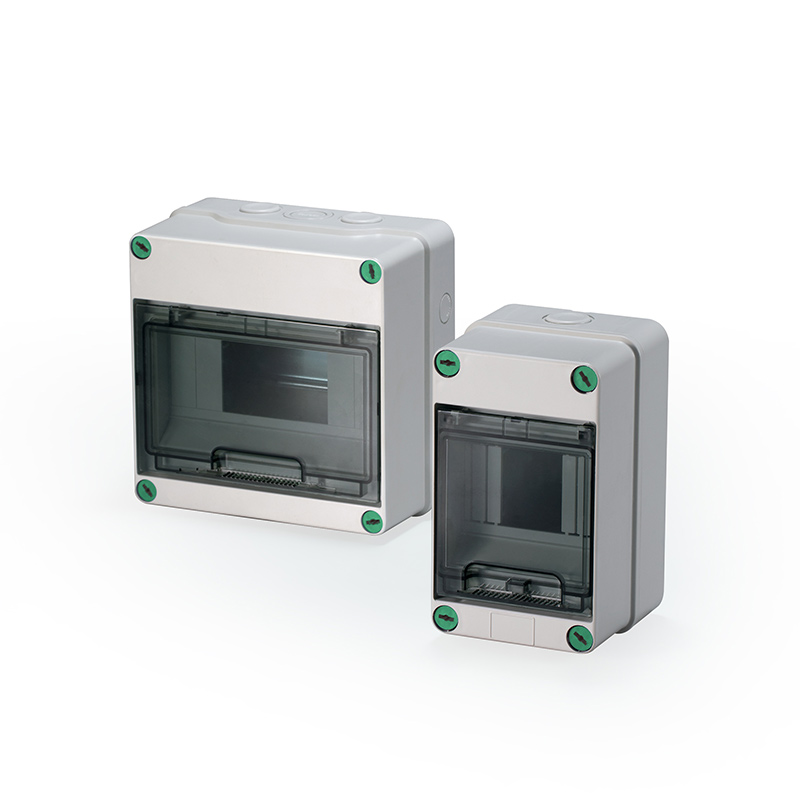
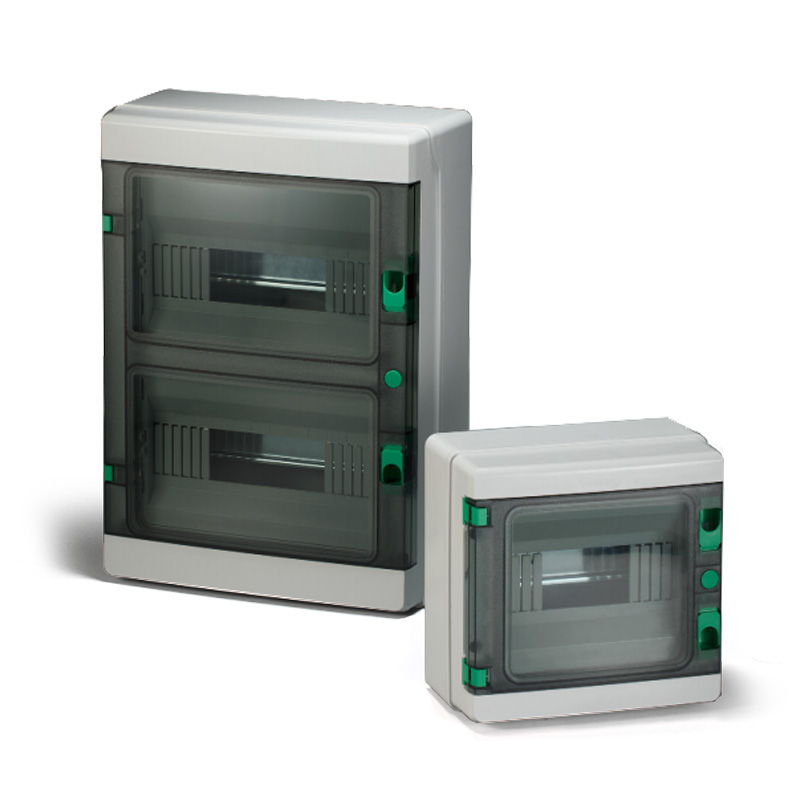
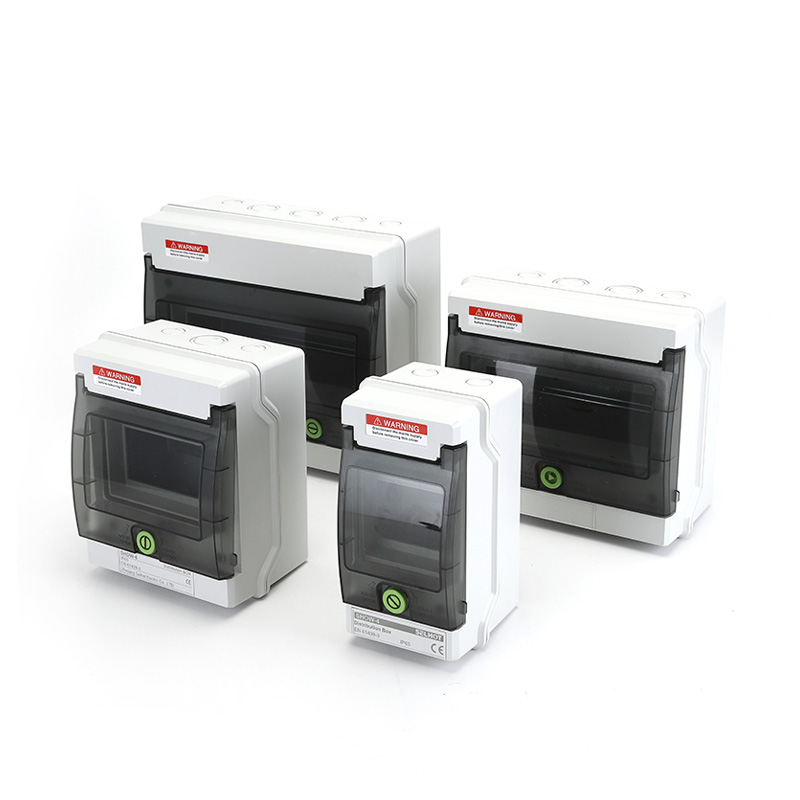
For example, connector series covering 16A, 32A, 63A, and 125A are available with IP44 or IP67 protection. These ratings ensure reliable performance in both dry and wet printing processes. Pairing connectors with a properly rated distribution box can streamline power routing and improve maintenance accessibility in complex wiring layouts.
Procurement and engineering teams evaluating high-cycle connectors should develop a clear specification based on the actual operational profile of the printing line. Key criteria include:
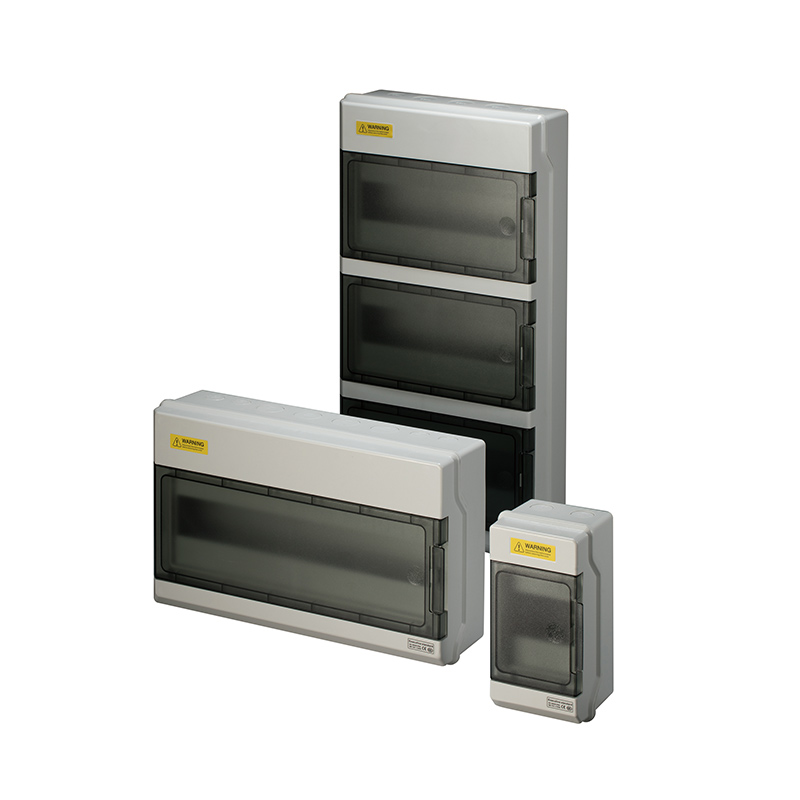
By systematically evaluating these factors, buyers can avoid premature connector failures that lead to production stoppages and safety incidents. For complex wiring distributed across a printing line, integrating connectors with a distribution box can further enhance organization and access.
Mechanical interlocking is a safety feature that physically prevents a plug from being inserted or withdrawn when the circuit is live. It forces the user to disconnect the power switch before unplugging, reducing arcing and extending connector life.
This varies by design. Standard industrial connectors may be rated for 5,000–10,000 cycles. High-cycle versions, such as those with reinforced contacts and thick plating, can exceed 100,000 cycles. For continuous printing lines, connectors rated for 1–2 million cycles are available from specialized suppliers.
For dry printing areas with minimal exposure to ink mist, IP44 is often sufficient. For locations subject to cleaning sprays, water jets, or solvent exposure, IP67 or IP69K may be required. Always evaluate based on the specific printing process and maintenance procedures.
Contact force can degrade over time due to material relaxation or wear. Designs that use multi-laminate contacts or hyperbolic sockets maintain consistent force for more cycles. Regular inspection and force testing can help predict end of life.
Yes, but the installation must comply with local electrical codes and should be carried out by a qualified electrician. Retrofitting may require adding a dedicated disconnect switch or replacing existing receptacles. Consult with the connector manufacturer for compatible models.
Continuous material supply in printing lines places extraordinary demands on electrical connectors. Millions of plugging cycles, combined with vibration and contamination, require connectors that are engineered for high mechanical and electrical endurance. By understanding failure modes, specifying mechanical interlocking, and evaluating design features such as contact materials and sealing, procurement and engineering teams can select connectors that deliver reliable performance over the machine’s lifetime. While no connector is immortal, modern industrial connector designs provide the durability and safety needed for high-frequency applications in the printing industry. Use the evaluation criteria outlined here to build a specification that matches your operational reality and ensures uninterrupted production.